
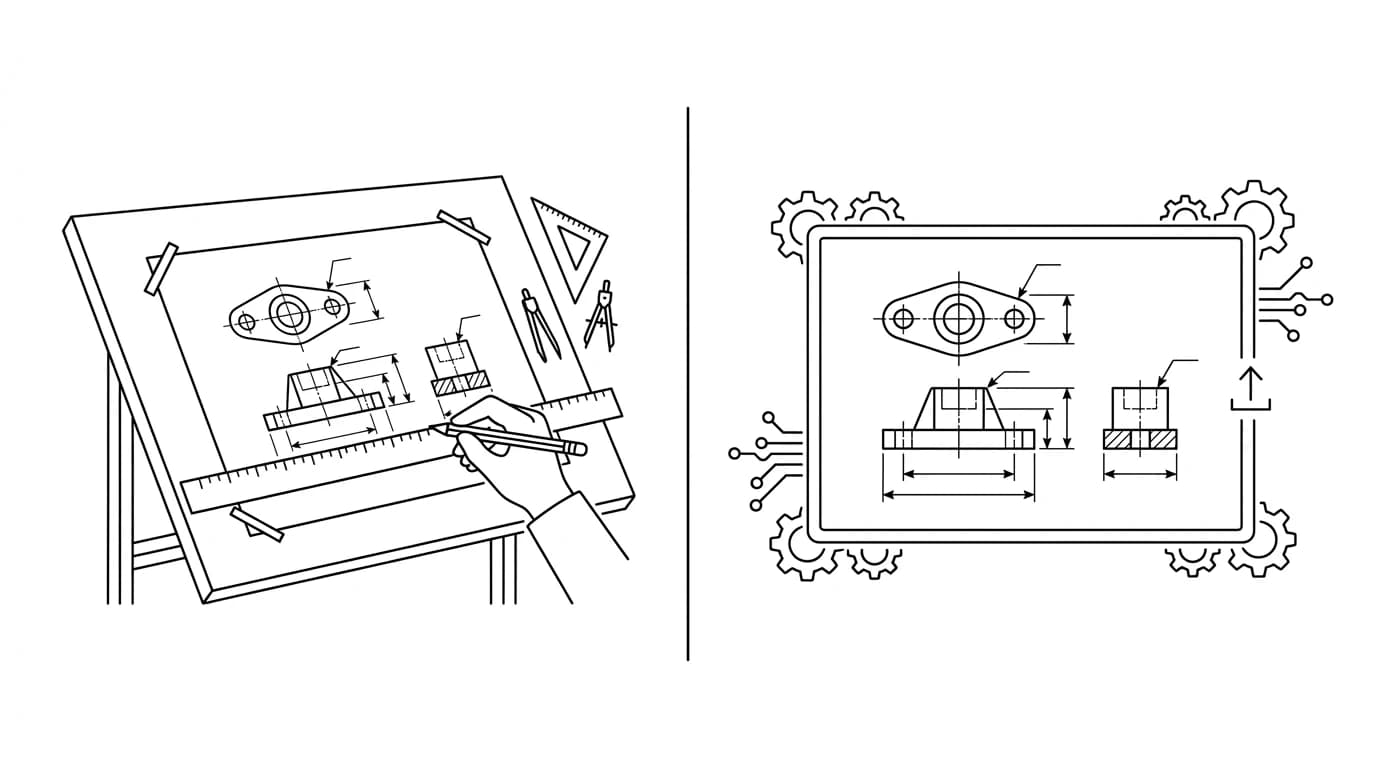
You have a part and you need a technical drawing of it. You can hire a draftsman, post the job on a freelance site, or run a photo through an AI tool and have a dimensioned drawing back in under a minute. The difference in cost and speed is enormous, but so is the difference in what each one handles well. This is an honest comparison, including the cases where paying a human is clearly the right call.
Our articles are still written by humans!
Get human written articles in your Google feed.
The short answer
For a single, well-defined 2D part, AI is dramatically cheaper and faster, and for most simple parts the result is good enough to send to a shop once you have set the real dimensions. For complex assemblies, tolerance-critical work, or anything that needs sign-off, a skilled draftsman is worth every dollar. Most people do not have to choose forever, only per job, and the rest of this guide is how to make that call quickly.
What hiring a draftsman actually costs
Hiring a person buys judgement and accountability, and you pay for both in money and time. Typical going rates in 2026:
- Freelance drafter: roughly $25 to $75 per hour, depending on experience and region.
- Single part drawing on a marketplace (Fiverr, Upwork): commonly $30 to $150 per drawing.
- Assembly or full production package: several hundred to several thousand dollars, depending on part count and detail.
- Engineering firm: higher hourly rates again, justified when you need certification or liability cover.
The cost that does not show up on the invoice is turnaround. A freelancer needs a brief, a queue slot and revision rounds; a simple part might come back the same day, but a few business days is normal, and each revision adds another cycle. If you are the one selling these drawings, our guide to making money on Fiverr with CAD drawings shows the same economics from the seller's side, and how much a technical drawing costs breaks the pricing down further.
What AI costs, and how fast it is
An AI technical drawing tool inverts both numbers. Cost runs from free for occasional use to a small monthly subscription for regular work, with no per-drawing fee and no revision rounds, you simply regenerate. Turnaround is seconds: you upload a photo or sketch, set the real measurements, and export a DXF, DWG, SVG or PDF.
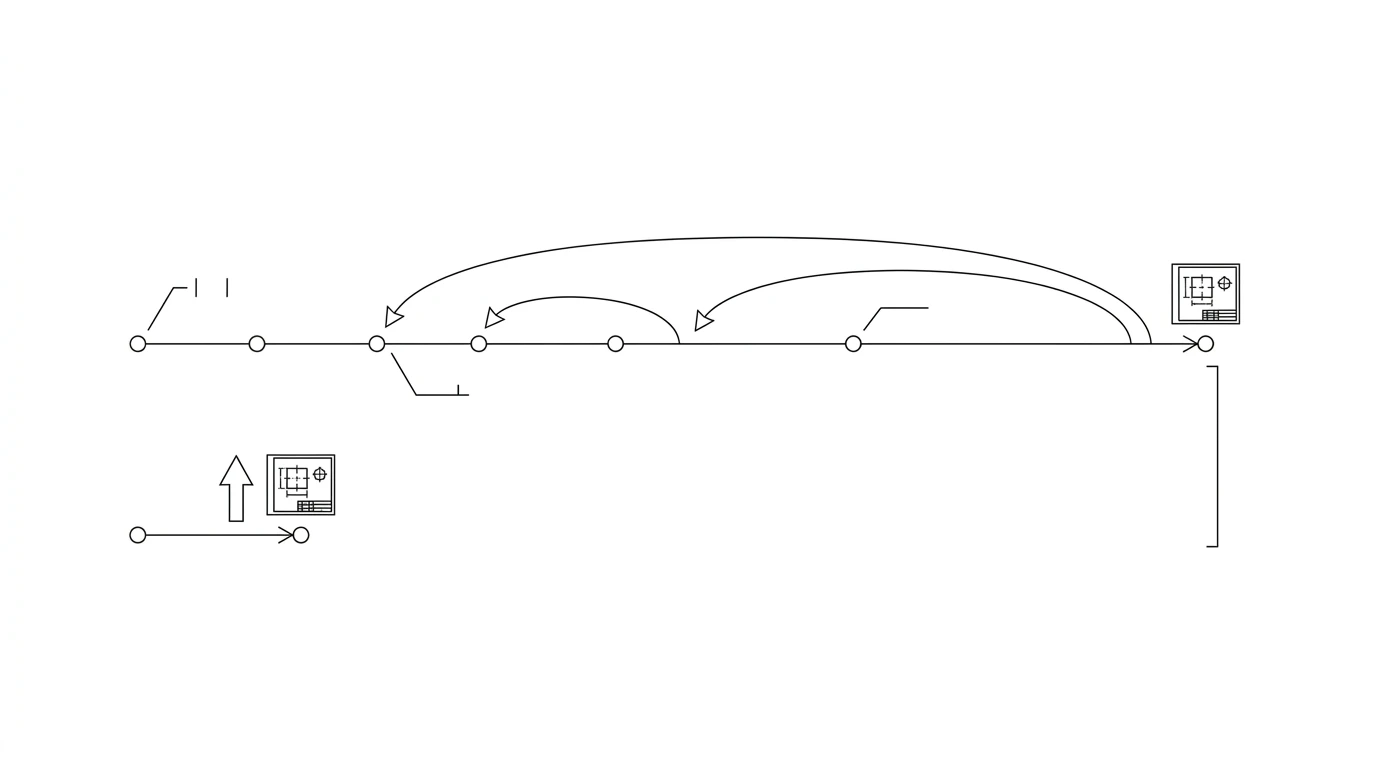
The catch is honest to state: AI does its best work when the input is clear and the part is not overly complex, and it relies on you to supply the true dimensions, because no tool can read absolute size from a photo without a reference. Within those bounds it is fast, consistent and cheap. See the best AI technical drawing tools for how the current options compare, and whether AI technical drawings are accurate for a straight answer on reliability.
Side by side
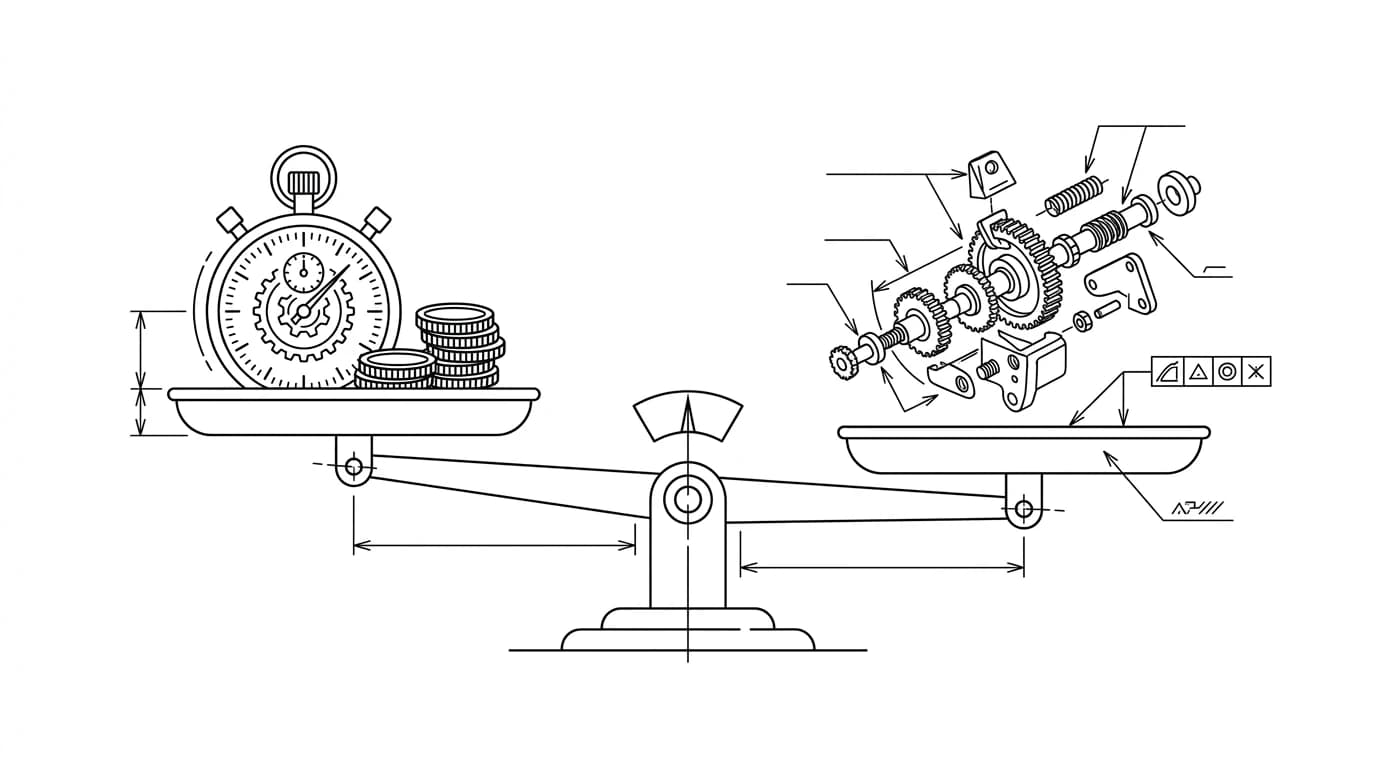
AI tool vs hiring a draftsman, for a typical single part
Where a human draftsman still wins
Be honest about this, because choosing AI for the wrong job is how you waste a day. A skilled drafter is the right call when:
- It is an assembly, not a part. Multiple components, mating features and a bill of materials need a person tracking how everything fits.
- Tolerancing is the point. Heavy GD&T, fits and functional tolerances need engineering judgement, not just geometry.
- It needs sign-off.Drawings for certification, regulatory submission or a professional engineer's stamp require a qualified human who can stand behind them.
- The brief is vague.When “make me a drawing of this idea” needs interpretation and back-and-forth, a person fills the gaps an AI cannot guess.
Where AI wins
And be equally honest about where paying a human is overkill:
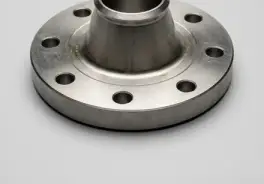
- A single, well-defined part.One bracket, one plate, one flange, from a clear photo, is exactly AI's sweet spot.
- Reverse-engineering a physical object. You have the part in your hand and need a drawing of it. Photograph it, set the dimensions, done, the workflow in reverse engineering a part.
- Speed matters more than polish. A drawing you need in the next ten minutes to keep a job moving.
- You are iterating. Trying five versions of a shape costs nothing and takes seconds, where a freelancer bills each round.
- Converting an image or sketch. Turning a photo, logo or hand sketch into a clean DXF is mechanical work AI does instantly.
The hybrid approach most people land on
The framing of “AI orhuman” is usually a false choice. The workflow that gets the best of both is to use AI for the first draft and the mechanical work, then bring in a person only where judgement is needed:
- Generate the base drawing from a photo or sketch with AI, with dimensions set.
- Use that draft as a precise starting point instead of a blank sheet, which is where most of a drafter's billable hours go.
- Hand it to a draftsman or engineer for tolerancing, assembly context or sign-off, if the job needs it.
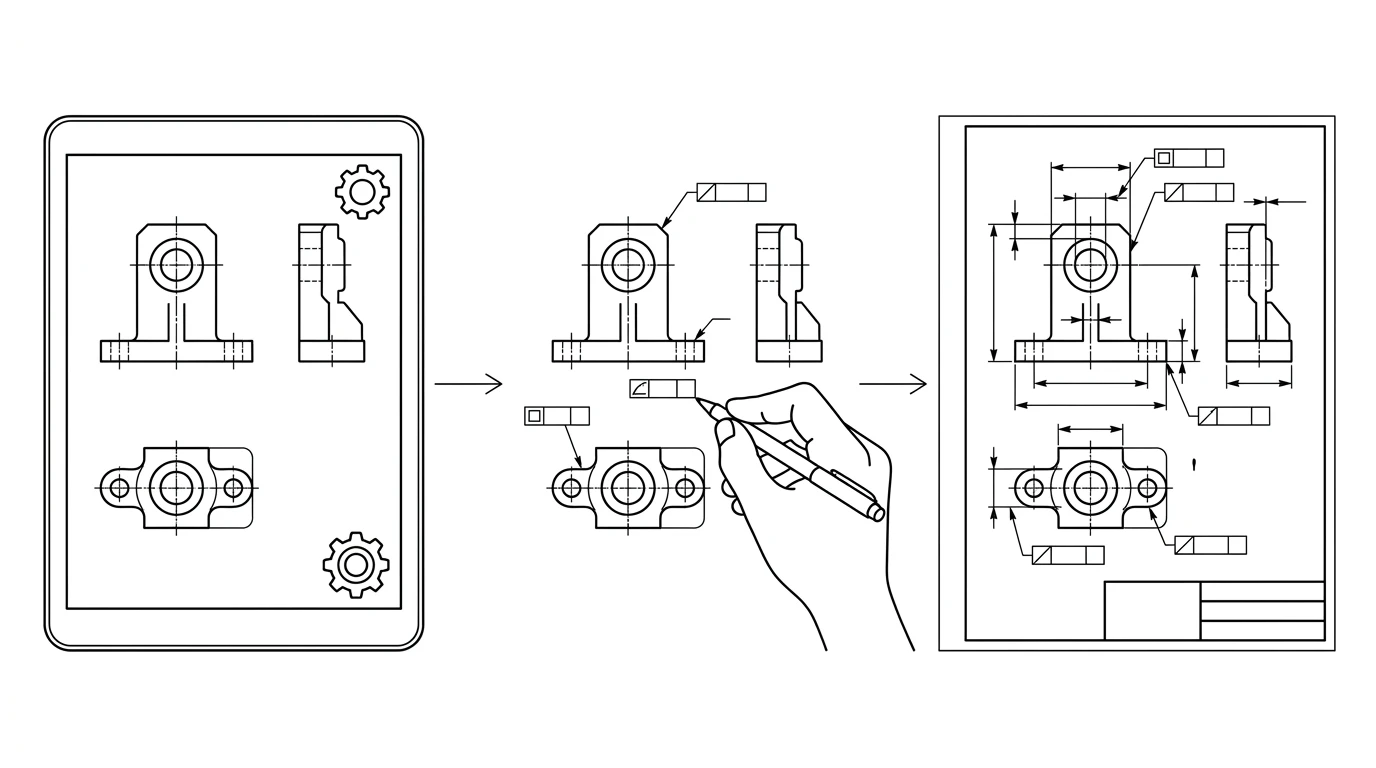
This cuts the human's time to the part that actually needs a human, which is where the real cost was hiding. It also works the other way for professionals: drafters increasingly use AI to skip the tedious tracing and start from geometry, the same idea as going from a photo to a manufacturing drawing.
How to decide, in one minute
Run your job through these questions:
- One part or an assembly? One part leans AI; an assembly leans human.
- Is tolerancing or sign-off involved? If yes, hire a qualified person.
- Do you have the object in hand? If you can photograph it, AI gives you a drawing in seconds.
- How many versions will you try? Lots of iteration strongly favours AI.
- How clear is the brief? Vague and conceptual favours a human who can interpret it.
If your job is the AI case, you can turn a photo into a dimensioned, export-ready technical drawing right now with TechDraw AI, or read can AI create technical drawings for the plain-English version first.
Frequently asked questions
Is it cheaper to use AI or hire a draftsman?
For a single, well-defined 2D part, AI is far cheaper: an online AI tool runs from free to a low monthly subscription, while a freelance draftsman typically charges 25 to 75 US dollars an hour, and a one-off part drawing on a freelance marketplace usually runs 30 to 150 dollars. A draftsman becomes worth the cost when the work involves complex assemblies, heavy GD&T, or drawings that need professional judgement and sign-off.
Are AI technical drawings as accurate as a draftsman's?
For simple parts drawn from a clear photo or sketch, a good AI tool produces accurate, dimensioned 2D drawings in seconds, as long as you supply the real measurements. A human draftsman is more reliable on ambiguous inputs, complex multi-part assemblies, tight tolerancing and anything needing engineering interpretation. The accurate way to put it: AI is fast and consistent on the straightforward 80 percent; a draftsman handles the hard 20 percent.
How much does it cost to hire a draftsman?
Freelance drafters commonly charge 25 to 75 US dollars per hour depending on experience and region, and engineering firms charge more. A single part drawing on a marketplace such as Fiverr or Upwork typically lands between 30 and 150 dollars, while a full assembly or production drawing package costs considerably more. Always confirm scope, revisions and file formats before commissioning.
When should I hire a draftsman instead of using AI?
Hire a person when the drawing carries real consequences or complexity: multi-part assemblies, detailed geometric dimensioning and tolerancing, parts that need certification or a professional engineer's stamp, or jobs where requirements are vague and need interpretation. Use AI for single parts, quick iterations, reverse-engineering a physical object from a photo, and getting a first draft you can refine.