
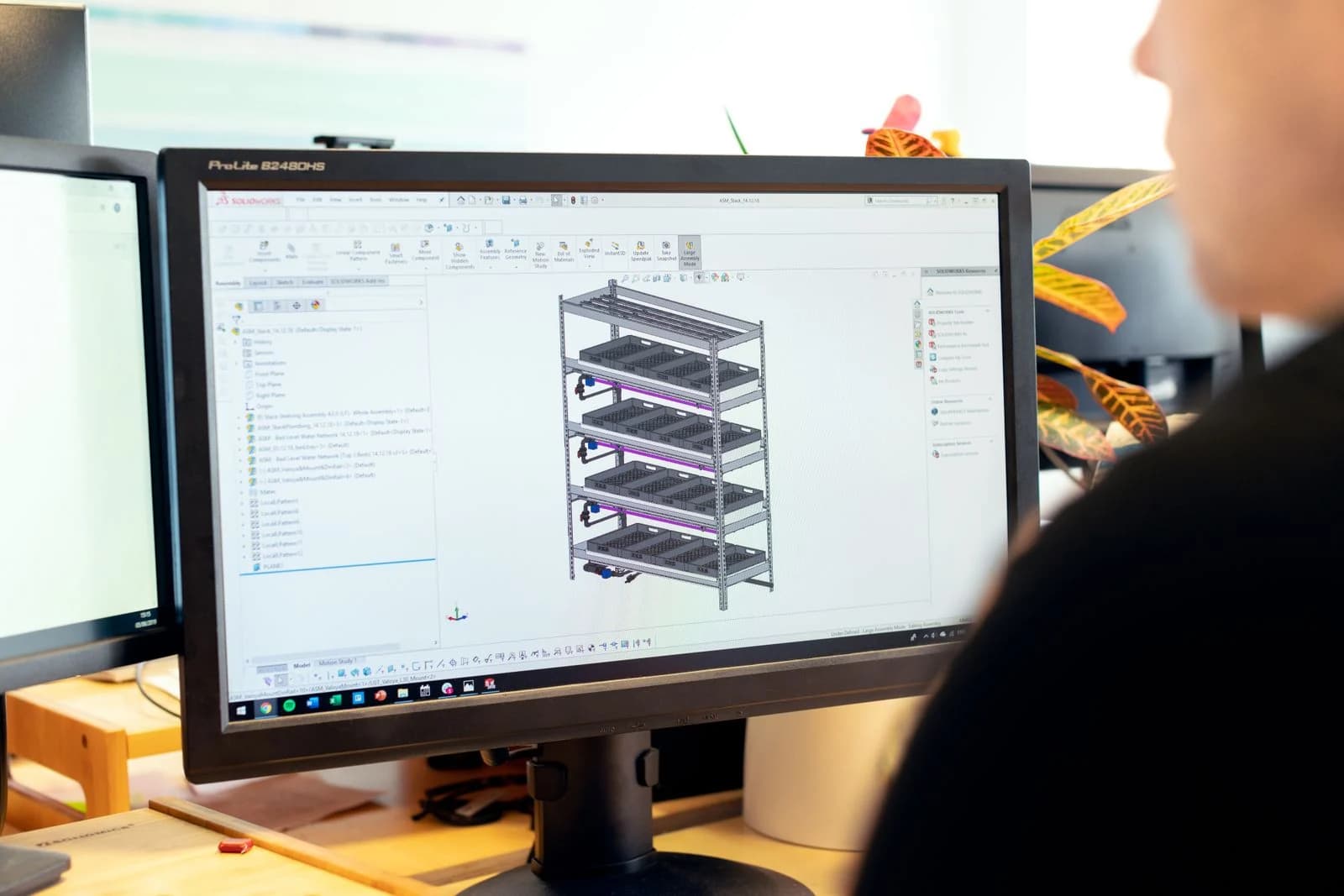
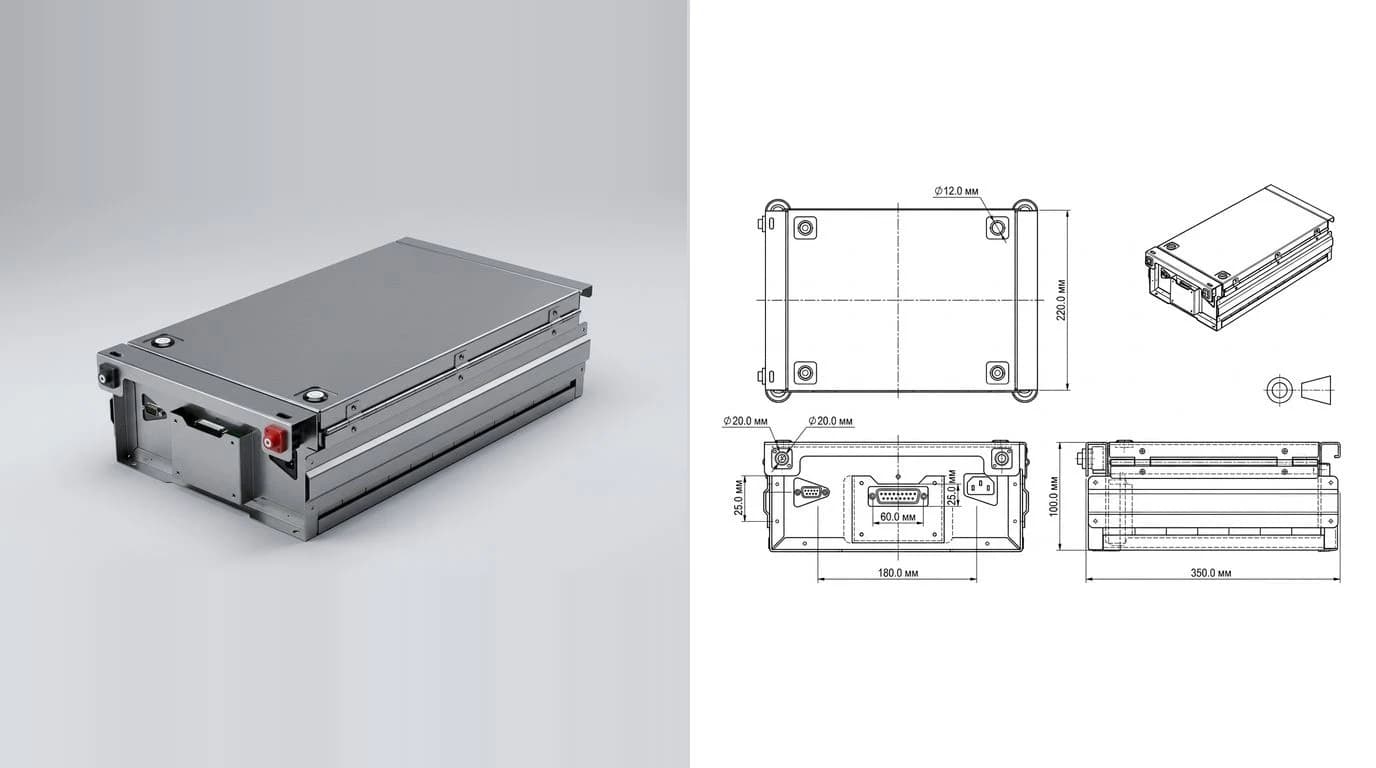
A gear from a machine the manufacturer abandoned in 2009. A bracket someone milled from memory fifteen years ago. A coupling whose only documentation is the part itself. Every workshop has that drawer — and until the part has a drawing, nobody will quote it, machine it, or inspect it.
Our articles are still written by humans!
Get human written articles in your Google feed.
The part with no drawing is a blocked purchase order
Undocumented parts are not an edge case. In maintenance and defense circles the problem has its own acronym — DMSMS, for parts whose manufacturers and documentation have vanished while the equipment lives on. The civilian version is everyday reality: a broken spare on a production line, an obsolete supplier, a legacy product nobody modeled in CAD.
The part in your hand is the specification. The problem is that no machine shop accepts a part in hand as a specification. They need a document that states dimensions, tolerances, material and finish — because that document is what they quote against and what inspection measures against.
What reverse engineering costs today
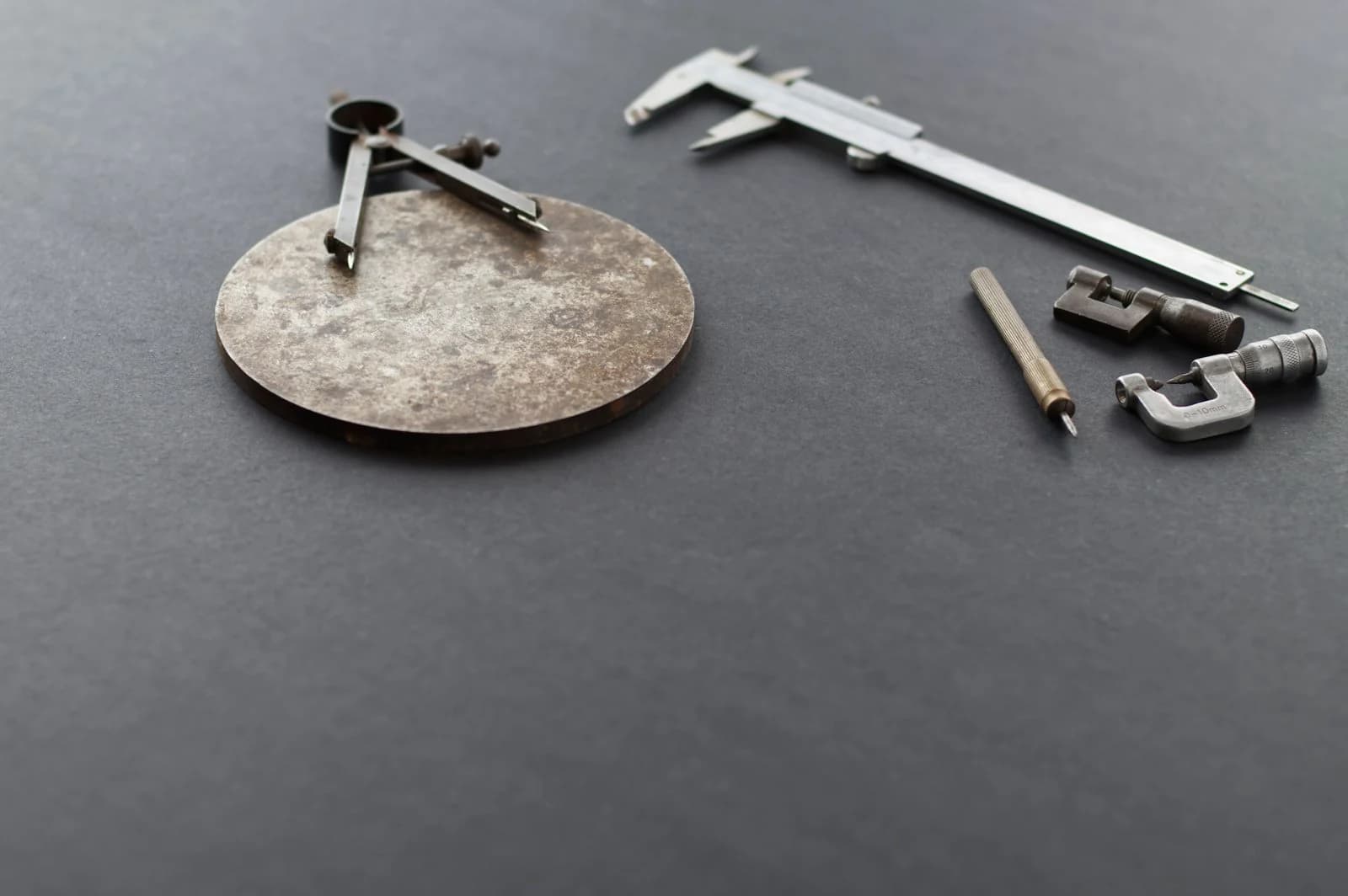
The established route is 3D scanning followed by CAD reconstruction and manual drafting. Each step has a price tag:
- Hardware. Entry-level professional handheld scanners run $2,000–12,000. Standalone systems like the Artec Leo sit around $20,000–40,000. Certified metrology systems from Creaform or ZEISS start near $30,000 and pass $100,000 with software and options.
- Time. The industry rule of thumb is 2:1 — two hours of point-cloud cleanup for every hour of scanning, before a CAD engineer even begins rebuilding surfaces into a parametric model.
- Drafting. Turning the model into a dimensioned 2D drawing costs $50–100 per hour freelance, $75–200 per hour at a drafting firm.
Three routes to a drawing for one undocumented part
For a single legacy bracket, "just get me a drawing" the traditional way lands between a few hundred and a few thousand dollars — with days of turnaround. For a one-off spare part, that overhead frequently exceeds the cost of machining the part itself. So people skip the drawing, email the shop a photo and a prayer, and absorb the risk.
What changed in AI research
Five years ago, generating CAD from images was a niche academic problem. It is now one of the fastest-moving corners of applied computer vision — and the milestones are concrete:
- Img2CAD (2024) was the first method to generate CAD models with editable parameters from a single image. Not a mesh — a sketch-and-extrude sequence a real CAD kernel can replay and a designer can edit.
- Text2CAD (NeurIPS 2024) showed parametric CAD construction sequences can be generated token by token, the way language models generate text.
- ReCAD (2025) layered reinforcement learning on vision-language models and set the current state of the art for both text-to-CAD and image-to-CAD, cutting geometric error substantially.
- On the reading side, fine-tuned vision-language models now extract dimensions and GD&T from existing drawings with F1 scores above 0.9 — work that was strictly manual two years ago.
Investors noticed. Adam— the Y Combinator startup Guillermo Rauch called "the v0 of CAD" — raised a $4.1M seed in late 2025 to build an AI CAD copilot. Backflip, founded by the Markforged founders, raised $30M from NEA and a16z to turn 3D scans into editable parametric CAD automatically. Geometry capture is being automated, and the direction is irreversible.
What a photo can never tell you
Now the part of the story most marketing pages skip — and the reason you should distrust any tool that doesn't mention it.
A single photograph cannot reveal the absolute size of an object. This is not a model limitation that better training will fix; it is the projective geometry of image formation. A 40 mm bracket photographed up close and a 400 mm bracket photographed from farther away can produce identical pixels. Every single-view reconstruction method in the literature recovers shape only up to an unknown scale factor. Resolving it requires outside information — a reference object, a second calibrated view, or a measurement. The practical how-to is in getting dimensions from a photo.
And size is only the first blind spot. A photo also cannot see:
- Hidden geometry — internal bores, undercuts, blind features on the far side of the part.
- Design intent— whether that ⌀20 hole is a press fit or a slip fit lives in the designer's head, not in the part's silhouette.
- Threads and finish — an M8×1.25 and an M8×1.0 thread are indistinguishable at photo resolution.
A workflow that respects the physics
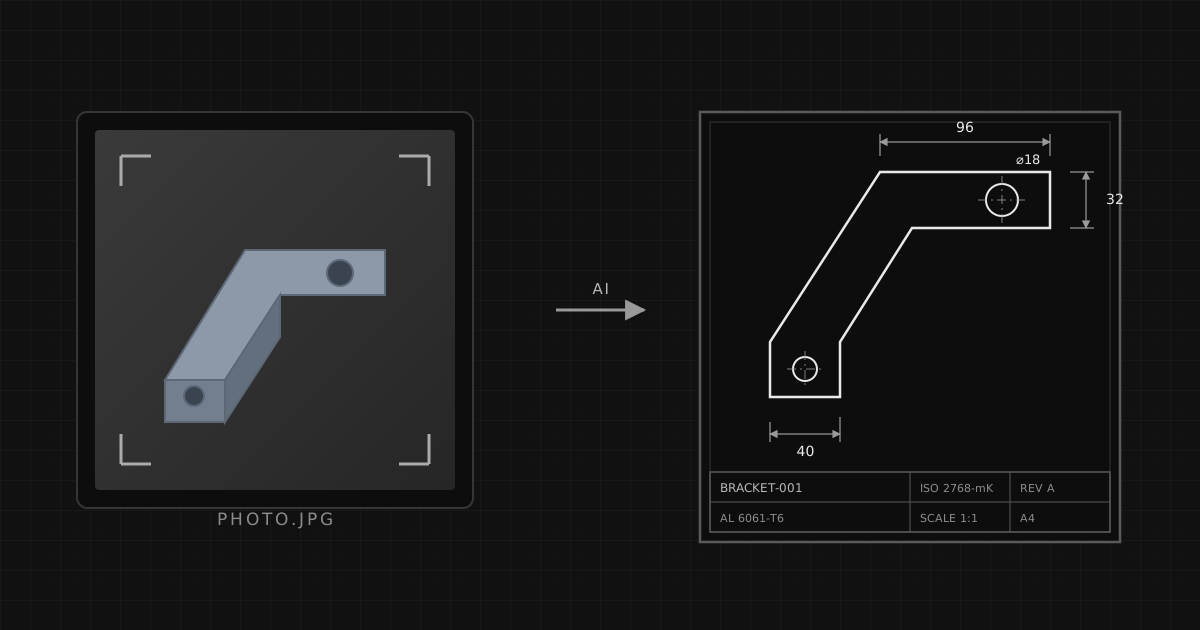
TechDraw AI is designed around the limit instead of pretending it away. The division of labor is strict:
- AI does what AI is good at. It reads the part topology from your photo — outlines, holes, symmetry, feature structure — and proposes clean orthographic views with dimension placement that follows drafting conventions.
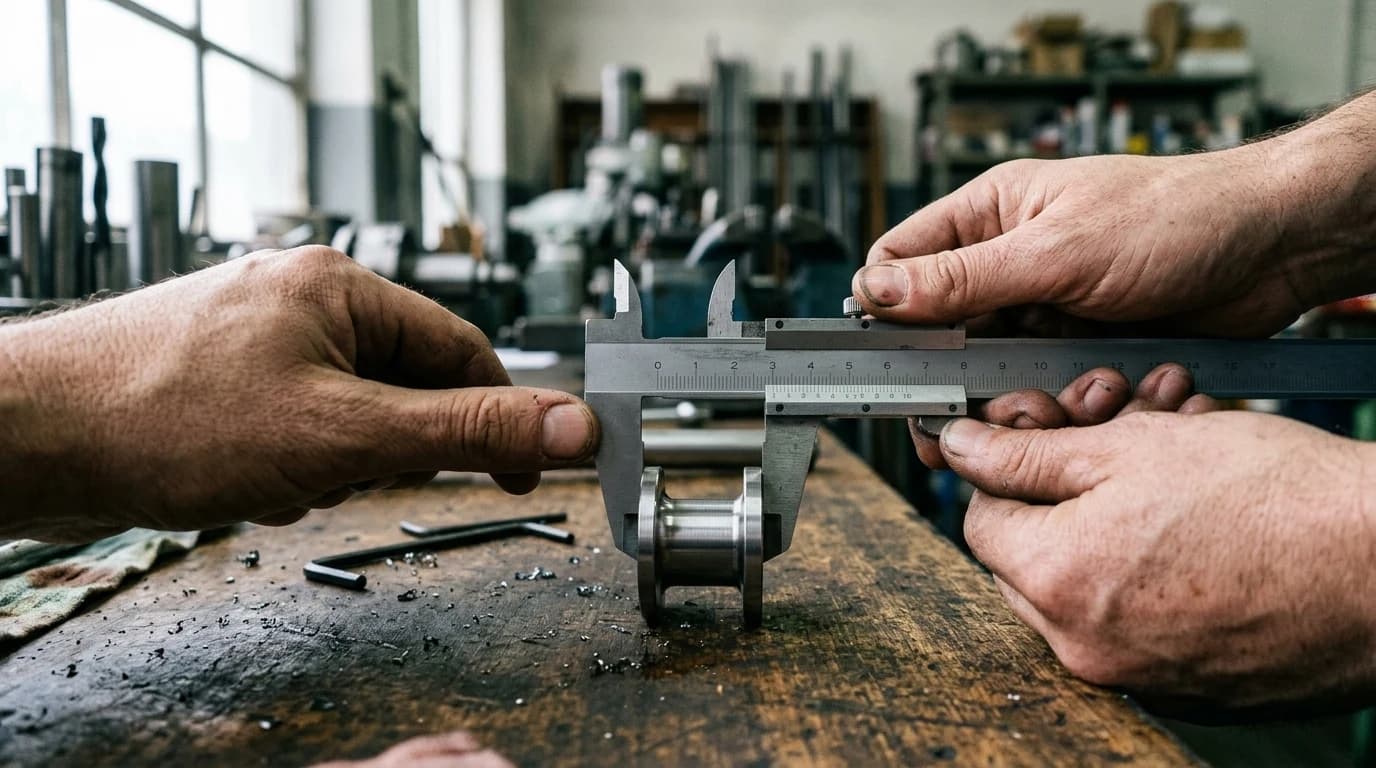
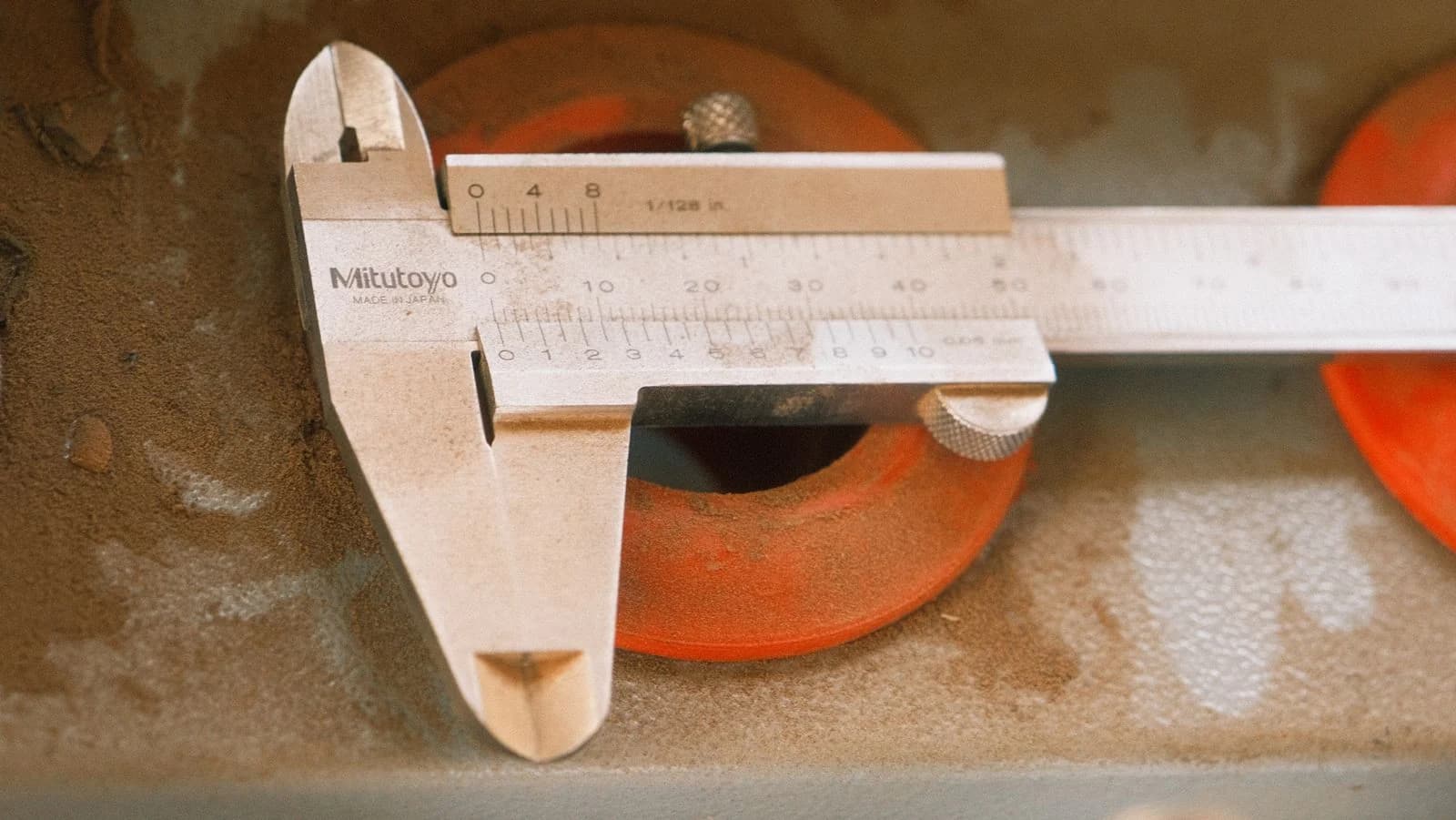
- You do the one thing only you can. Put a caliper on any feature and enter one measured value. That single reference propagates through the entire drawing and removes the scale ambiguity. Then confirm or correct the dimensions that carry your design intent.
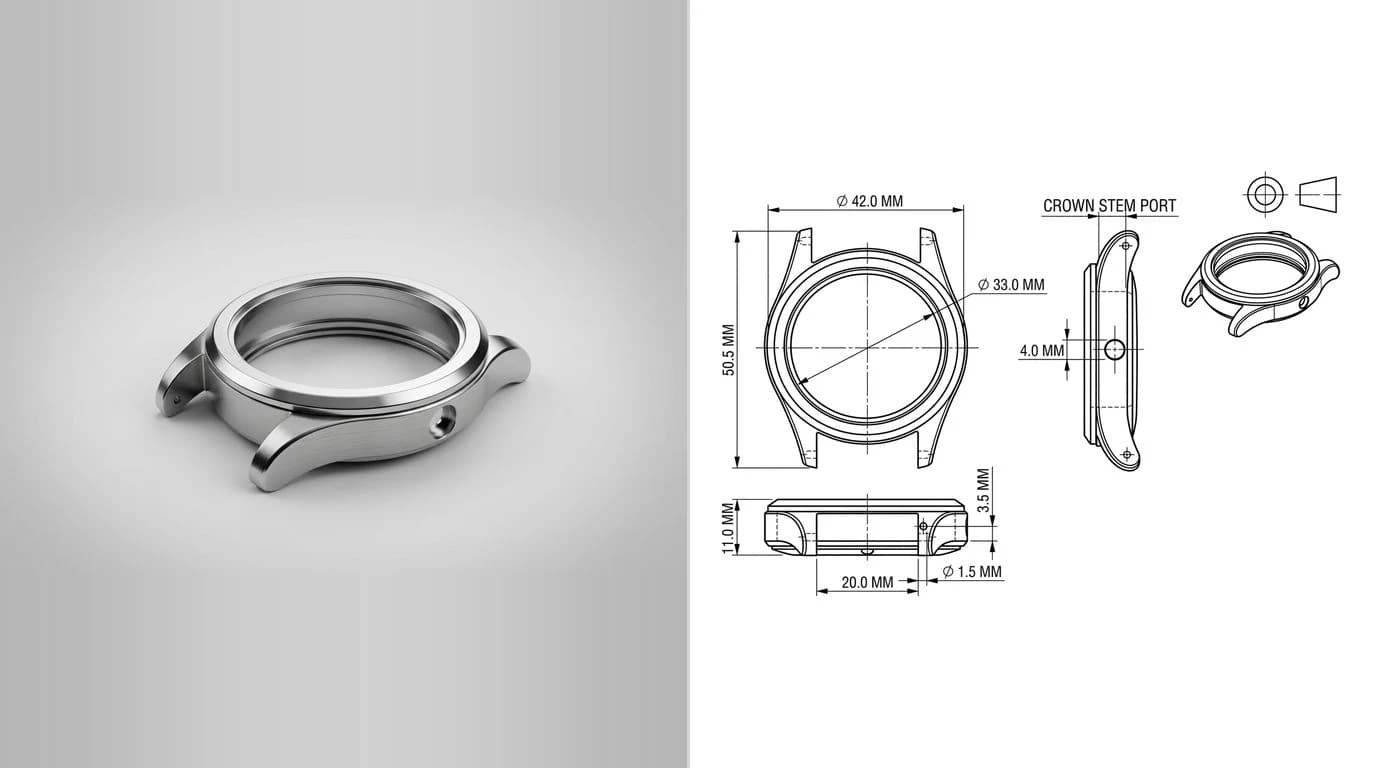
- The output is standards-shaped from the start. Proper views, a complete title block, general tolerances per ISO 2768, callouts where a shop expects them — the full bar described in our manufacturing-ready drawing checklist.
That trade turns hours of drafting into minutes of verification. The human is not removed — the human is moved to the single step where judgment is irreplaceable. We think that is the only honest way to build this product, and not coincidentally the only way the resulting drawings are safe to manufacture from.
The export is a normal DXF, so the drawing is also a starting point for a 3D model. Our CAD workflow guides show how to bring it into Fusion 360, Onshape or SolidWorks and rebuild it as a parametric part.
The bottom line
The research curve is steep: multi-image capture narrows the scale problem, and models like ReCAD improve geometric fidelity every few months. What will not change is what a manufacturing drawing is — a contract stating what you will accept and reject when the parts come back. Contracts get signed by people. Our job is to make the signing take five minutes instead of five hours.
To see how that plays out in practice, we ran three real parts through the pipeline and graded the output in AI technical drawing examples. The same workflow written up by starting format is in JPG to CAD, image to DWG and image to AutoCAD.
Frequently asked questions
Can AI really generate a usable technical drawing from one photo?
It can generate the geometry and the drawing structure — views, feature recognition, dimension placement. What it cannot do from a single photo is know the absolute size of the part or your design intent (fits, tolerances, threads). A usable manufacturing drawing requires one measured reference dimension and a human confirming the values that matter.
How accurate are dimensions estimated from a photo?
Relative proportions can be recovered well, but absolute scale from a single image is mathematically ambiguous — a 40 mm part photographed close and a 400 mm part photographed far away can produce identical pixels. That is why TechDraw AI anchors every drawing to at least one caliper-measured reference dimension instead of guessing.
Do I still need a 3D scanner for reverse engineering?
For complex organic surfaces or tight metrology work, yes — scanning is still the right tool. For prismatic machined parts, brackets, plates, shafts and simple housings, a photo plus a few caliper measurements gets you a quotable drawing at a fraction of the cost of a $30,000+ scanning workflow.
Will machine shops accept an AI-generated drawing?
Shops care about the content, not the author. If the drawing has correct views, unambiguous dimensions, stated tolerances (e.g. ISO 2768-mK), thread callouts and a complete title block, it quotes and machines like any other drawing. That is the standard TechDraw AI outputs are built to meet.
Sources
- Img2CAD: Conditioned 3D CAD Model Generation from Single Image (arXiv, 2024)
- Text2CAD: Generating Sequential CAD Designs from Text Prompts (NeurIPS 2024)
- ReCAD: Reinforcement Learning Enhanced Parametric CAD Generation with VLMs (arXiv, 2025)
- Single View Metrology in the Wild (arXiv) — scale ambiguity in single-image reconstruction
- Fine-Tuning Vision-Language Models for Automated Engineering Drawing Information Extraction (arXiv, 2024)
- TechCrunch: YC alum Adam raises $4.1M to turn viral text-to-3D tool into AI copilot (Oct 2025)
- 3D Printing Industry: New AI model from Backflip accelerates 3D scan-to-CAD
- 3DPrinting.com: Best professional 3D scanners 2026 — pricing tiers
- GoMeasure3D: Scan-to-CAD workflow time — the 2:1 cleanup rule of thumb
- Cad Crowd: CAD drafting rates and per-drawing pricing