

"Manufacturing-ready" is a specific bar: a stranger in a machine shop, with no access to you and no context, can quote the part, machine it and inspect it using nothing but the sheet in front of them. Most informal drawings fail that bar — not because they lack dimensions, but because they lack decisions: which dimensions matter, how much error is acceptable, and measured against what.
Our articles are still written by humans!
Get human written articles in your Google feed.
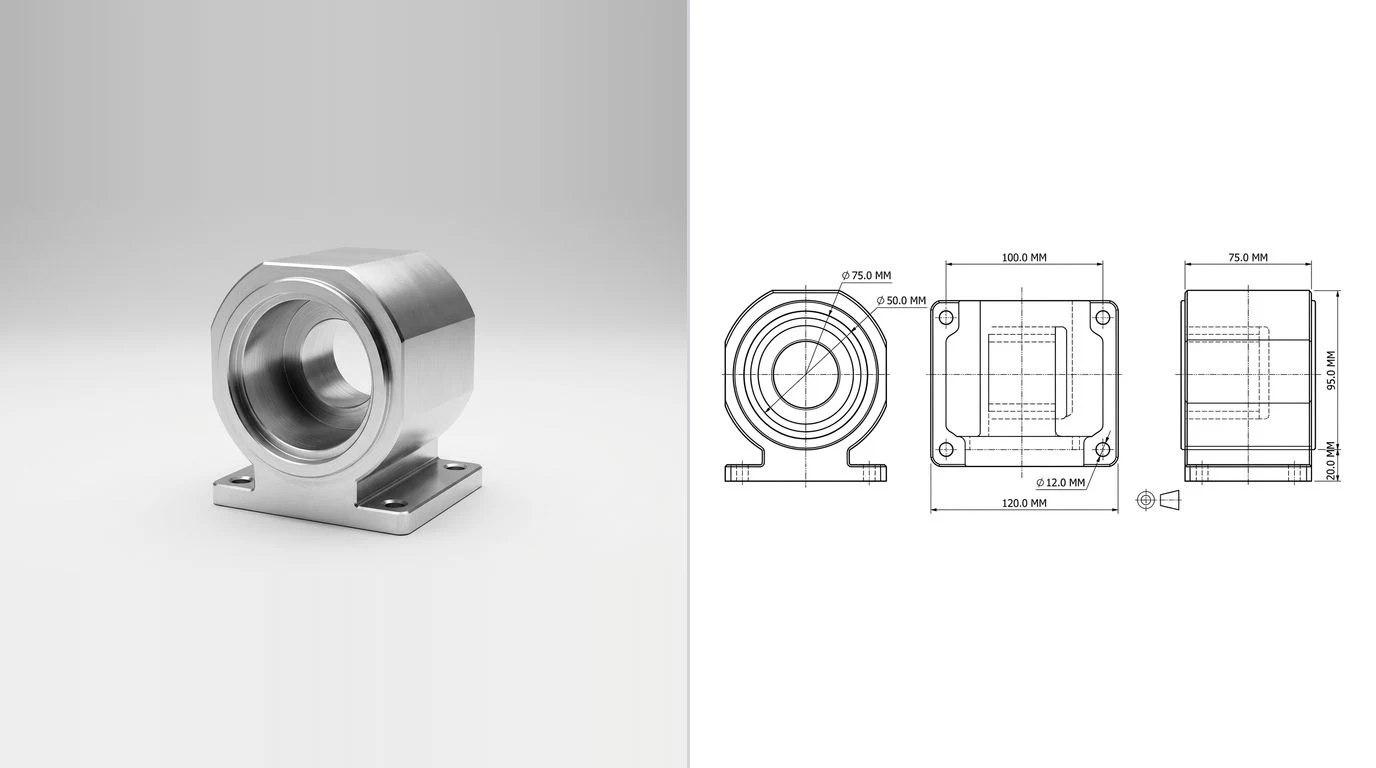
The bar, stated plainly
A machine shop estimator spends about ninety seconds on a first pass of your sheet. In those seconds they decide whether your part is a clean quote or a back-and-forth email thread. Drawings that pass have the same five properties — and they are checkable, one by one.
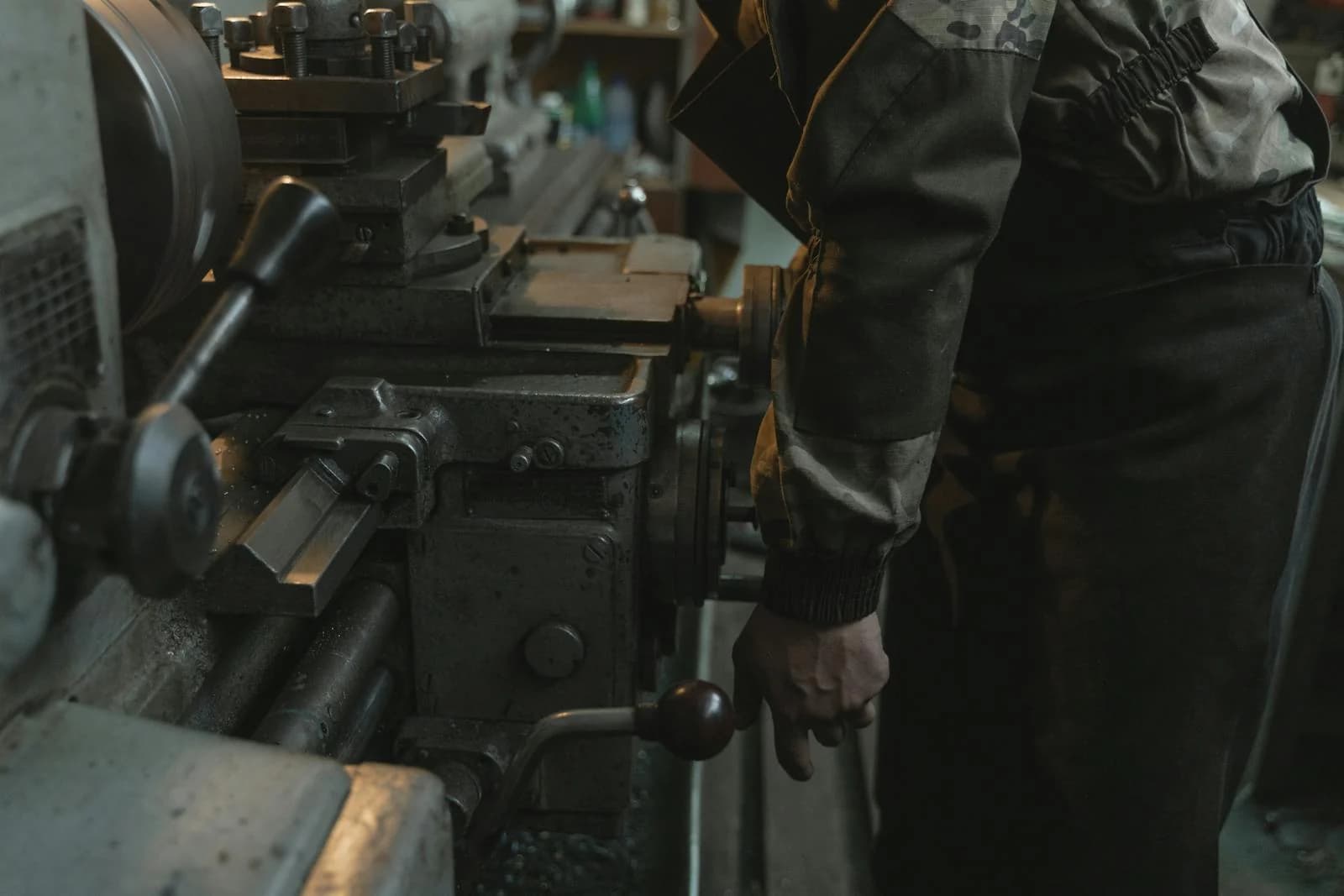
1. Views that remove all ambiguity — and no more
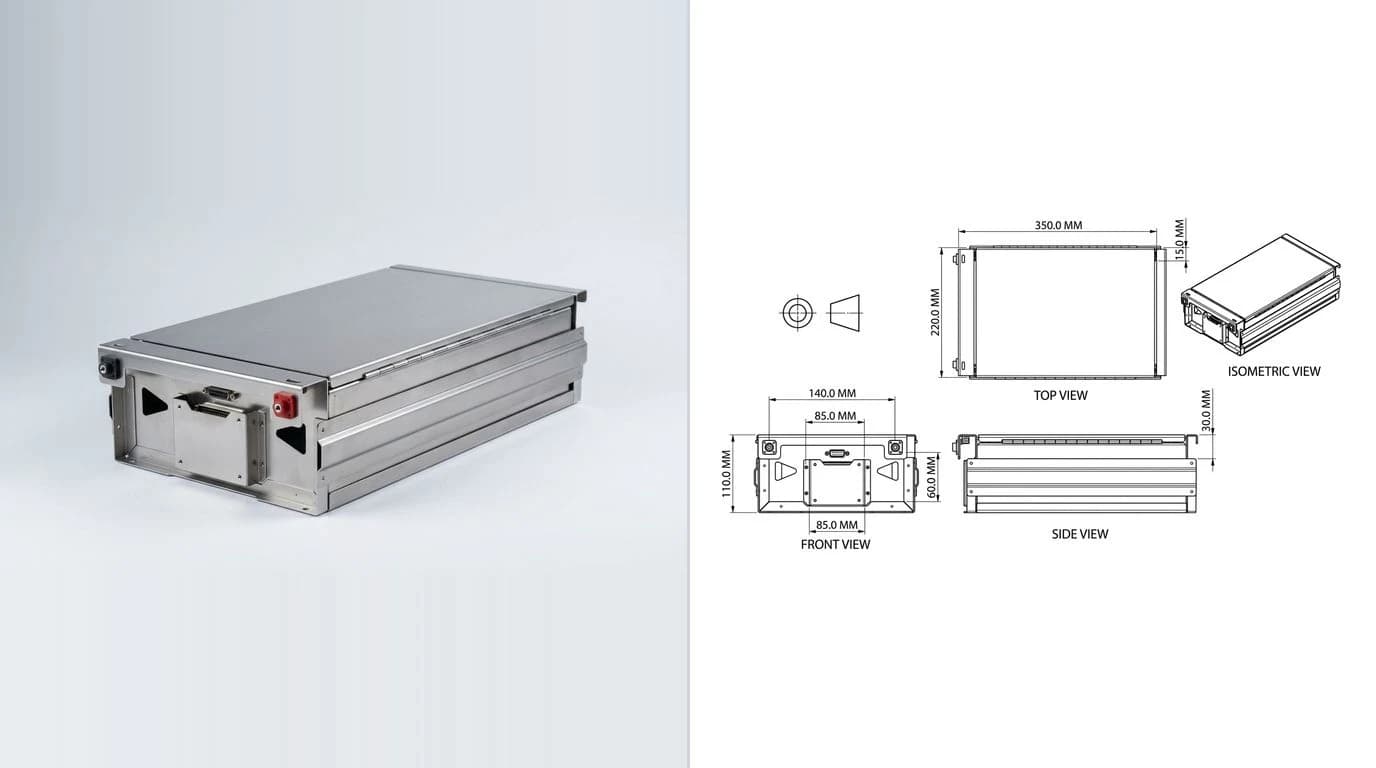
Orthographic projection is the grammar of the document. Use as many views as needed to define every feature exactly once: typically a front view, one or two projections, and a section view the moment anything interesting happens inside. Two details cause real misreads between continents:
- State the projection method. Europe drafts in first-angle (ISO), the US in third-angle (ASME). The same three views mean two different parts under the wrong assumption — that truncated-cone symbol in the title block is not decoration.
- Dimension each feature once.Duplicated dimensions drift apart across revisions, and the shop won't know which one to believe.
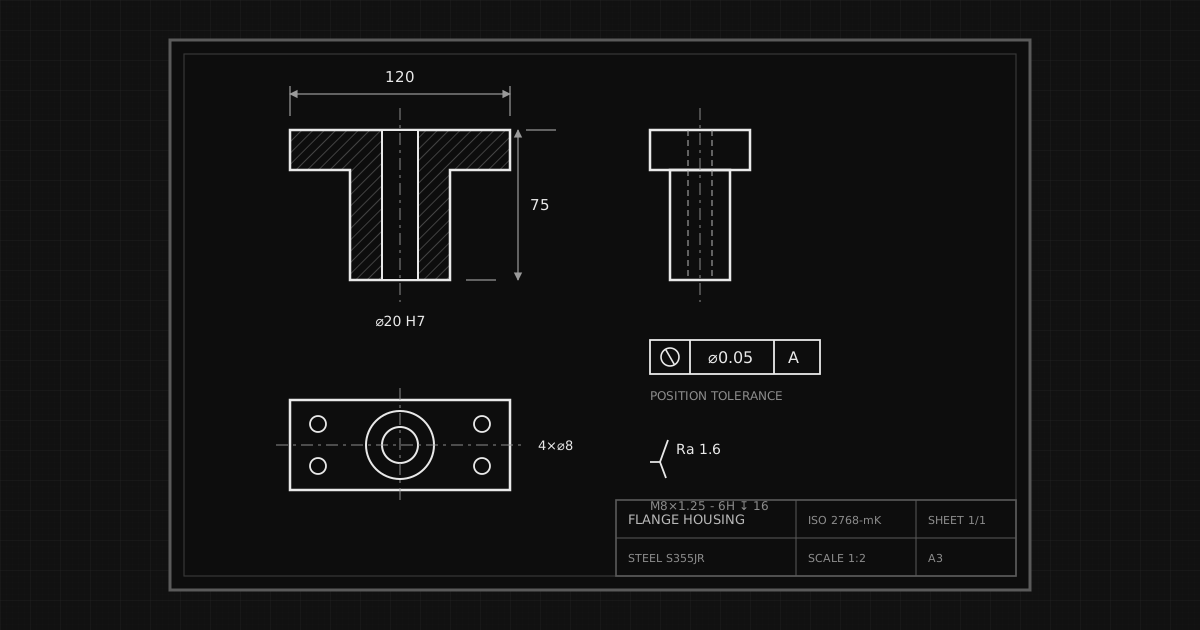
2. General tolerances, declared up front
No shop can hit "exact." Every dimension needs a permitted deviation, and the economical way to grant one is a general-tolerance note — almost universally ISO 2768, written like ISO 2768-mK in the title block. That one line assigns a default tolerance to every untoleranced dimension. Know what it gives you, and call out explicitly only what must be tighter:
ISO 2768-1 general tolerances for linear dimensions (mm)
Class m (medium) is what most platforms machine to by default. If a feature works at ±0.3 mm, say nothing and let the note cover it — that is the cheapest tolerance you will ever buy.
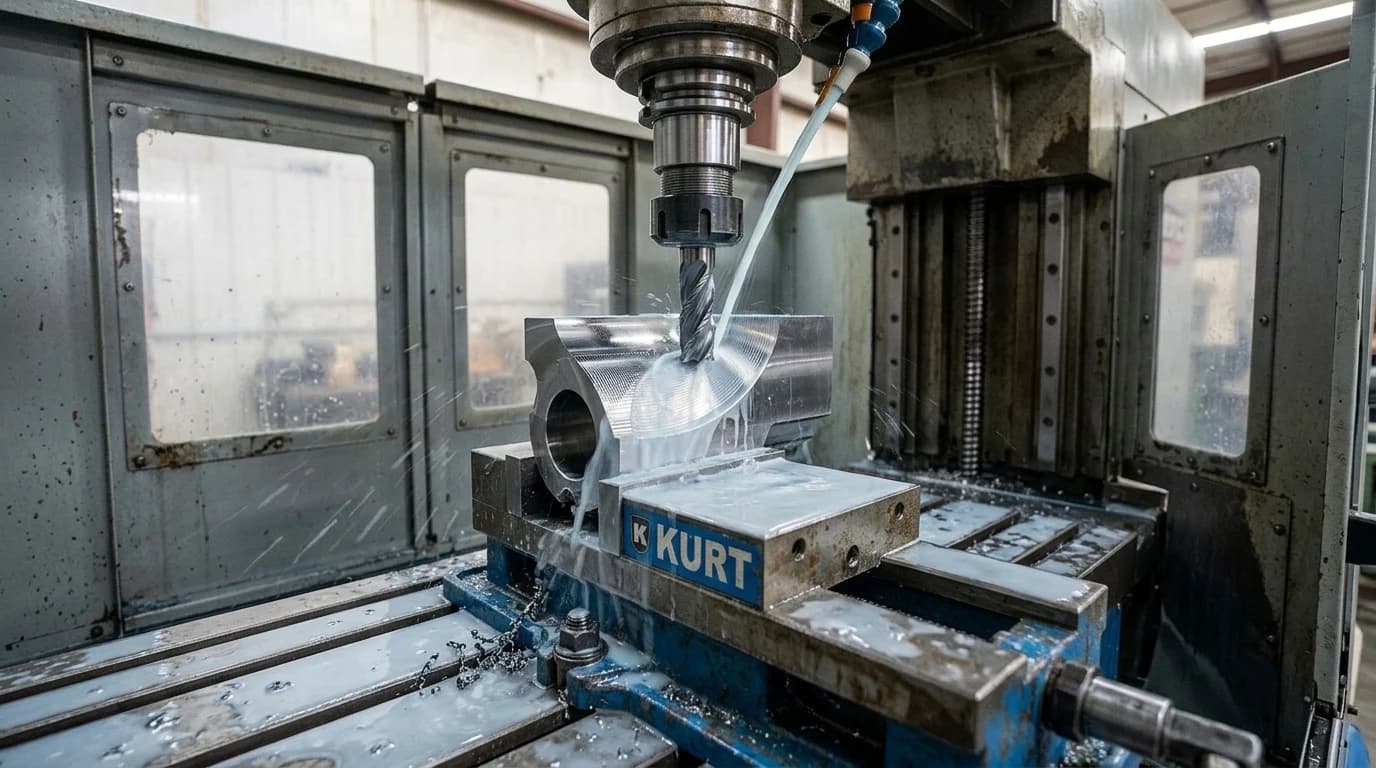
3. Tight tolerances only where the function lives
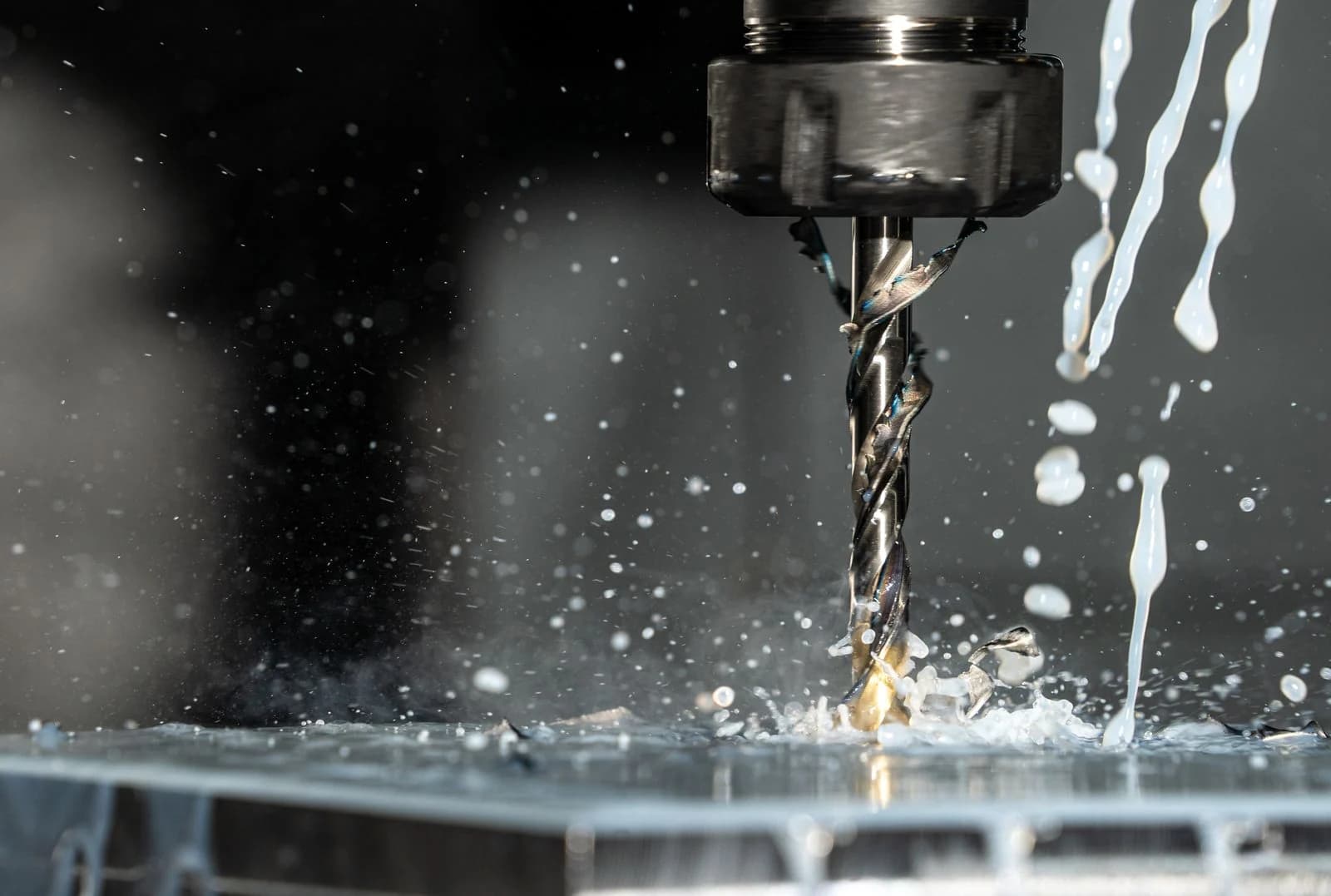
This is where part cost is won and lost. Tolerances are exponential: each tightening step can mean a different machine, a slower cycle, an extra setup, or 100% inspection. Protolabs' own design guidance is blunt: tighter than necessary means paying for precision you never use.
The discipline is a three-step sort:
- Identify the few functional features — bearing seats, sealing faces, mating bores, location patterns.
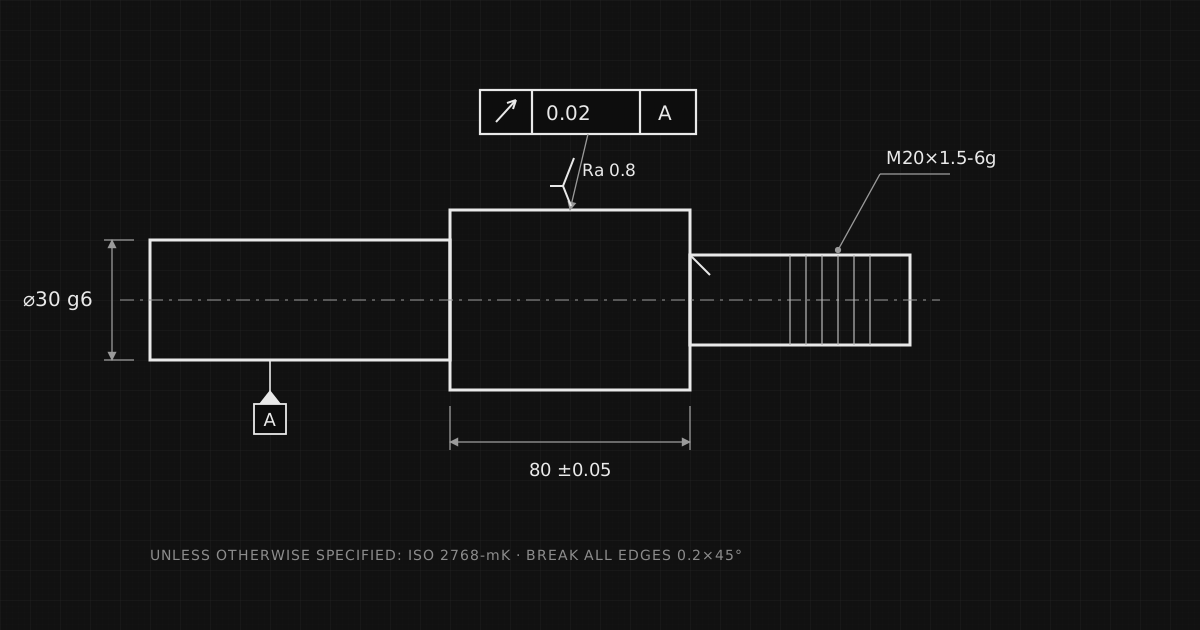
- Give those explicit tolerances or fits (
⌀20 H7,80 ±0.05), with GD&T where the requirement is geometric — position for hole patterns, flatness for sealing faces, runout for journals — each tied to a named datum. - Let ISO 2768 govern everything else.
4. The callouts geometry cannot carry
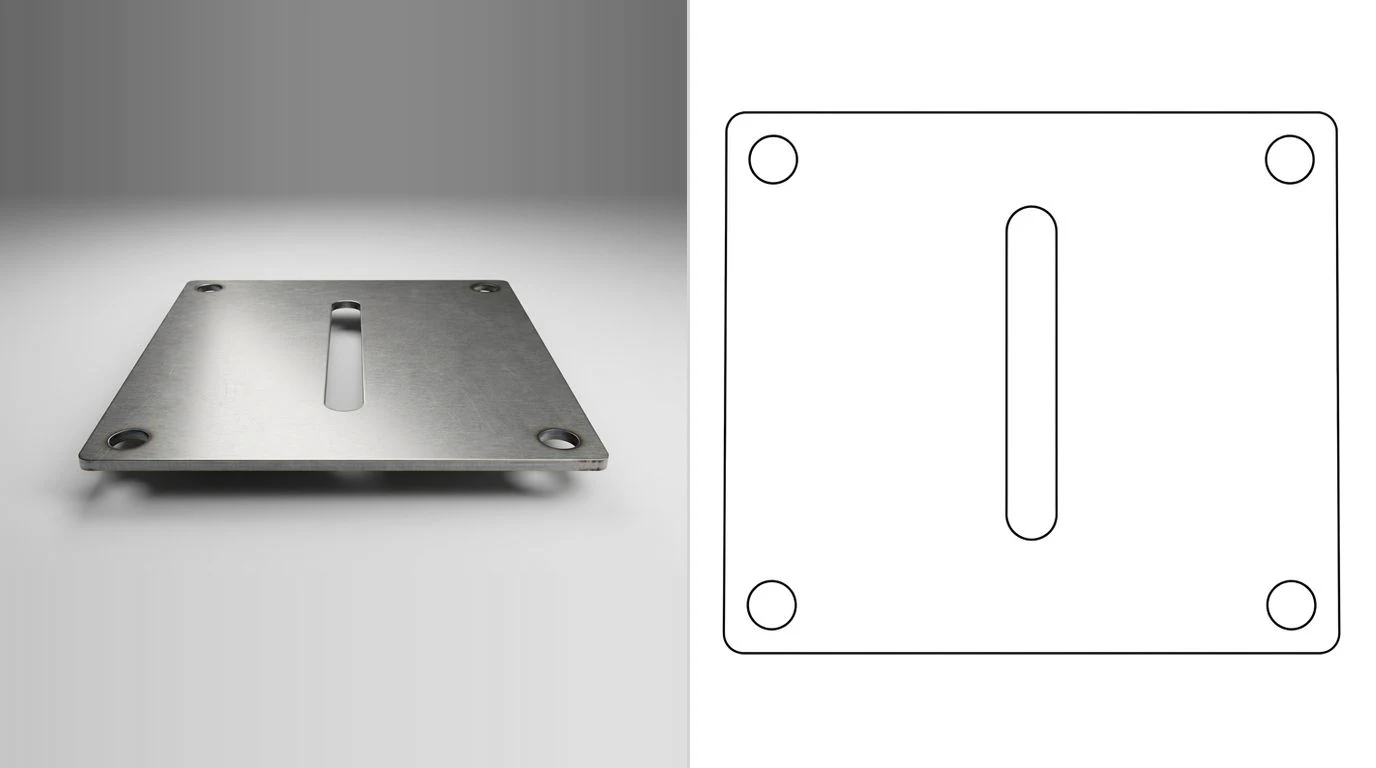
These must be written on the sheet, because no 3D model communicates them — and no photo either:
- Threads: full designation —
M8×1.25-6H ↧ 16, not a bare hole. Include class and depth for blind holes. - Surface finish: Ra values on the faces that need them. As-machined default is Ra 3.2 µm — mark only what must be better.
- Edges: one note —
BREAK ALL EDGES 0.2×45°— saves a deburring conversation later. - Material and condition: exact grade and temper —
AL 6061-T6, not "aluminum." Heat treatment and coatings as notes with the governing standard.
5. A title block that answers the boring questions
Part name and number, revision, material, scale, sheet size, units, projection symbol, general-tolerance note, and who drew and approved it. Unromantic — and the first place an estimator looks. A missing revision letter has caused more wrong-part deliveries than any mistyped dimension.
The five mistakes we see most
- Tolerancing everything tightly "to be safe" — the part quotes at 3× the necessary price.
- No datum scheme, so position tolerances reference nothing and inspection becomes a negotiation.
- Threads drawn as plain cylinders with no callout.
- Missing projection-method symbol on drawings crossing the EU–US boundary.
- Dimensions chained end-to-end so errors stack, instead of referenced from a common datum.
Every drawing TechDraw AI generates is built against this checklist from the start — proper views, ISO 2768 general tolerances, a complete title block, and explicit prompts for the callouts only you can decide. This checklist is the bar a finished drawing has to clear; for the full process of building one that clears it, step by step, see how to make a technical drawing. If you are starting from a physical part with no documentation at all, read how the photo-to-drawing workflow handles measurement and scale, or go straight to the format you need in JPG to CAD or image to DWG. The goal is the same either way: when your drawing lands in a shop's inbox, the reply is a price, not a question.
Frequently asked questions
What does “manufacturing-ready” actually mean?
It means a stranger in a machine shop — with no access to you and no project context — can quote the part, machine it, and inspect it using nothing but the sheet. Every feature defined exactly once, every dimension with a permitted deviation, every special requirement written as a callout.
What is ISO 2768-mK and why is it in every title block?
ISO 2768 is the general-tolerance standard. A note like “ISO 2768-mK” assigns a default tolerance to every dimension you didn't explicitly tolerance (class m: ±0.2 mm on a 25 mm feature, ±0.5 mm on a 250 mm one) plus geometric class K. Xometry and Protolabs both machine to ISO 2768 by default when you specify nothing else.
When do I actually need GD&T?
When the requirement is geometric rather than dimensional: true position of hole patterns relative to a datum, flatness of sealing faces, runout on rotating journals, perpendicularity of mating faces. If a plain ± tolerance can express the requirement, prefer it — GD&T earns its complexity only where function demands it.
What is the difference between first-angle and third-angle projection?
Two conventions for arranging orthographic views: Europe and ISO countries draft in first-angle, the US in third-angle. The same three views imply different geometry under the wrong assumption, which is why the projection symbol in the title block is mandatory on any drawing that crosses borders.
Sources
- Xometry: Manufacturing standards — ISO 2768 defaults and drawing requirements
- Protolabs Network (Hubs): Manufacturing standards
- Protolabs: Fine-tuning tolerances for CNC machined parts
- Komacut: CNC machining drawing guidelines — 2D and 3D file tips
- BOYI: Understanding the technical drawings in CNC machining