




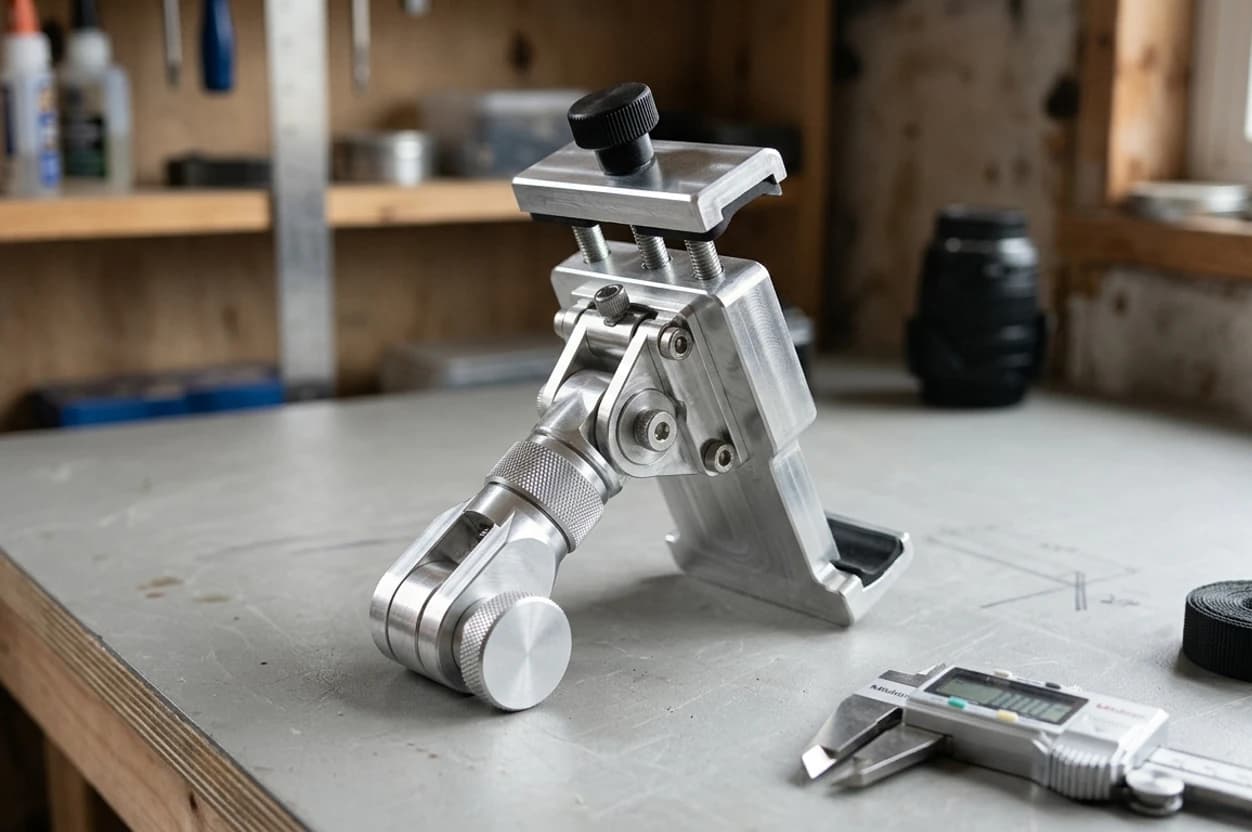
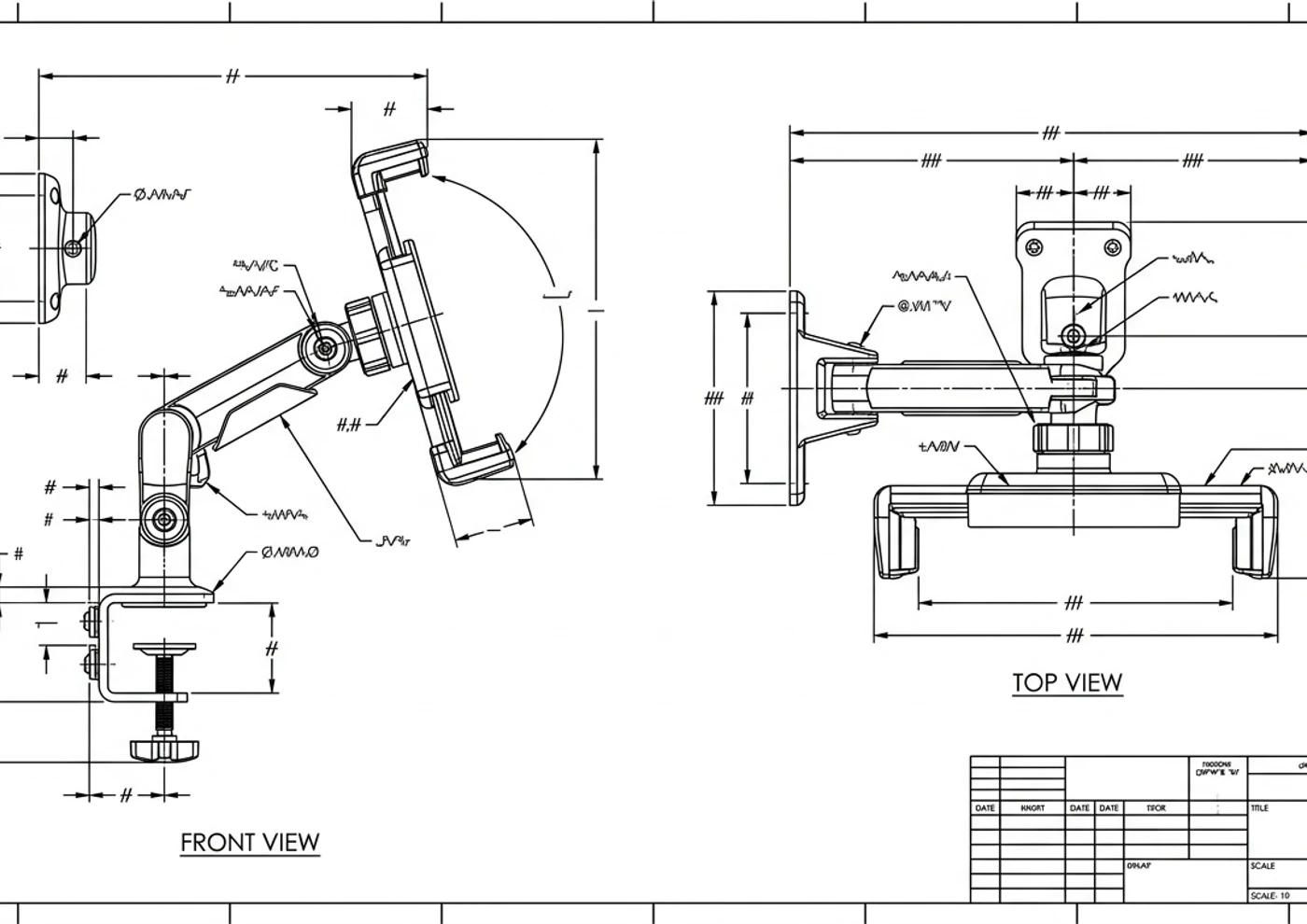
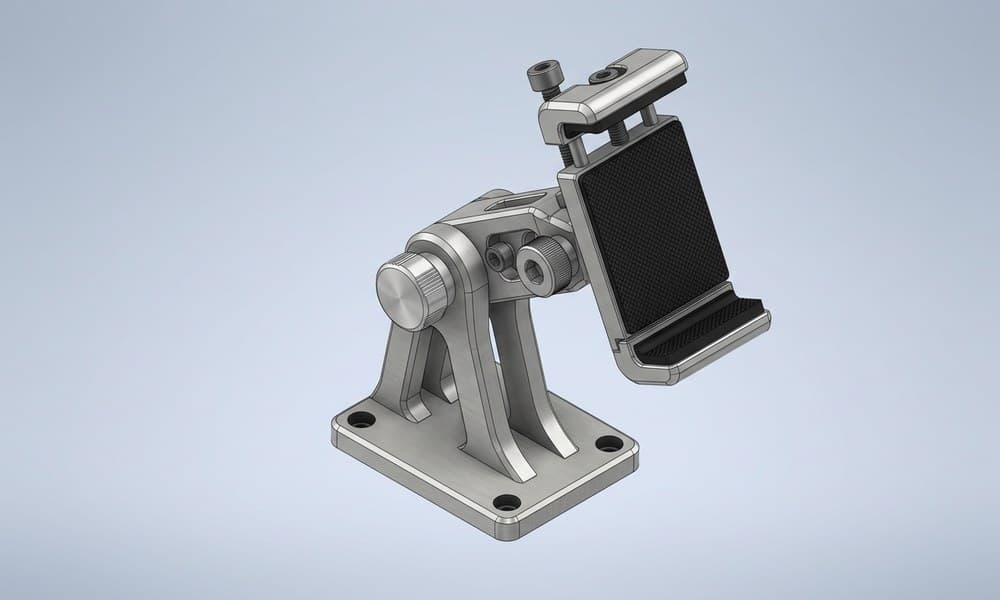
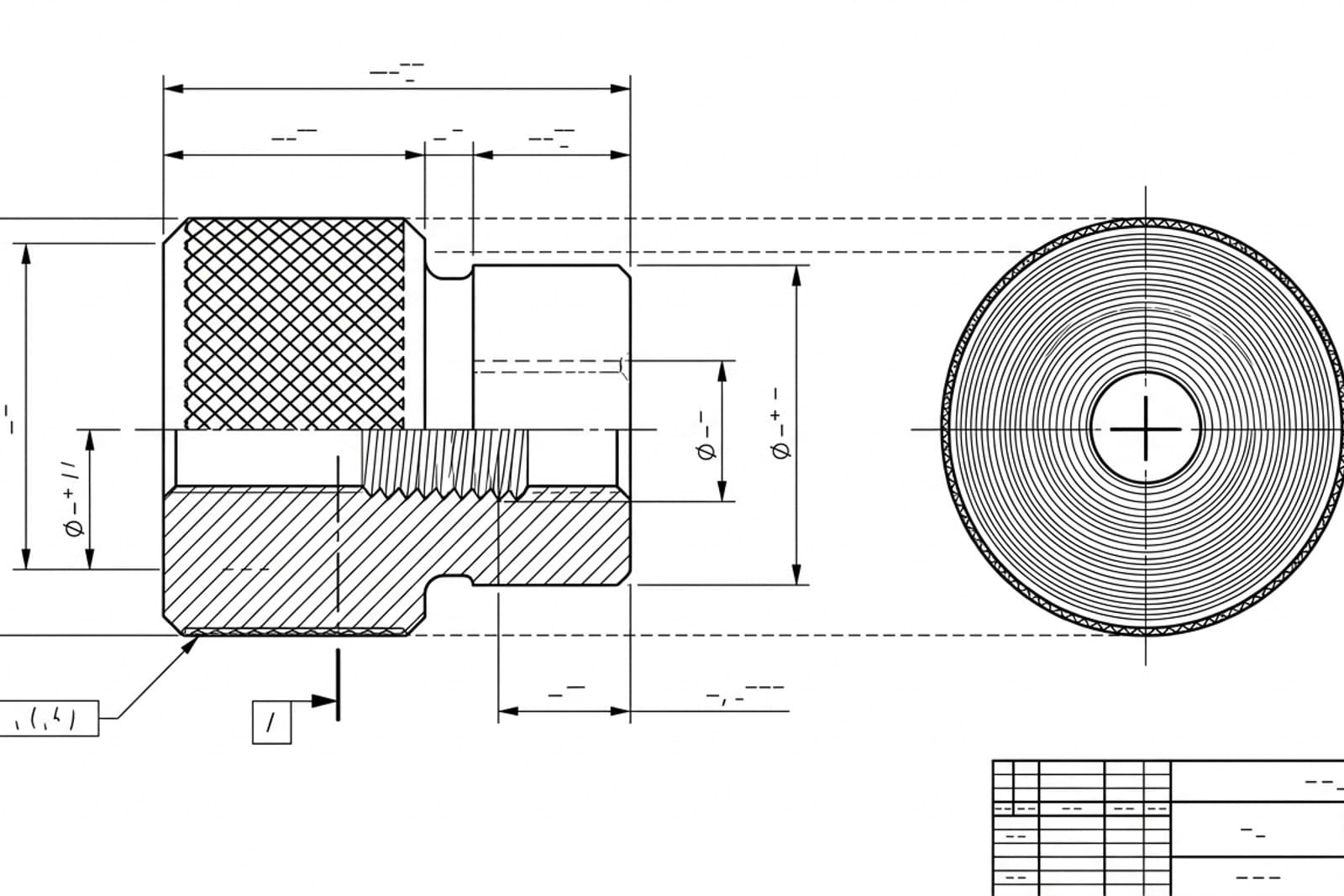
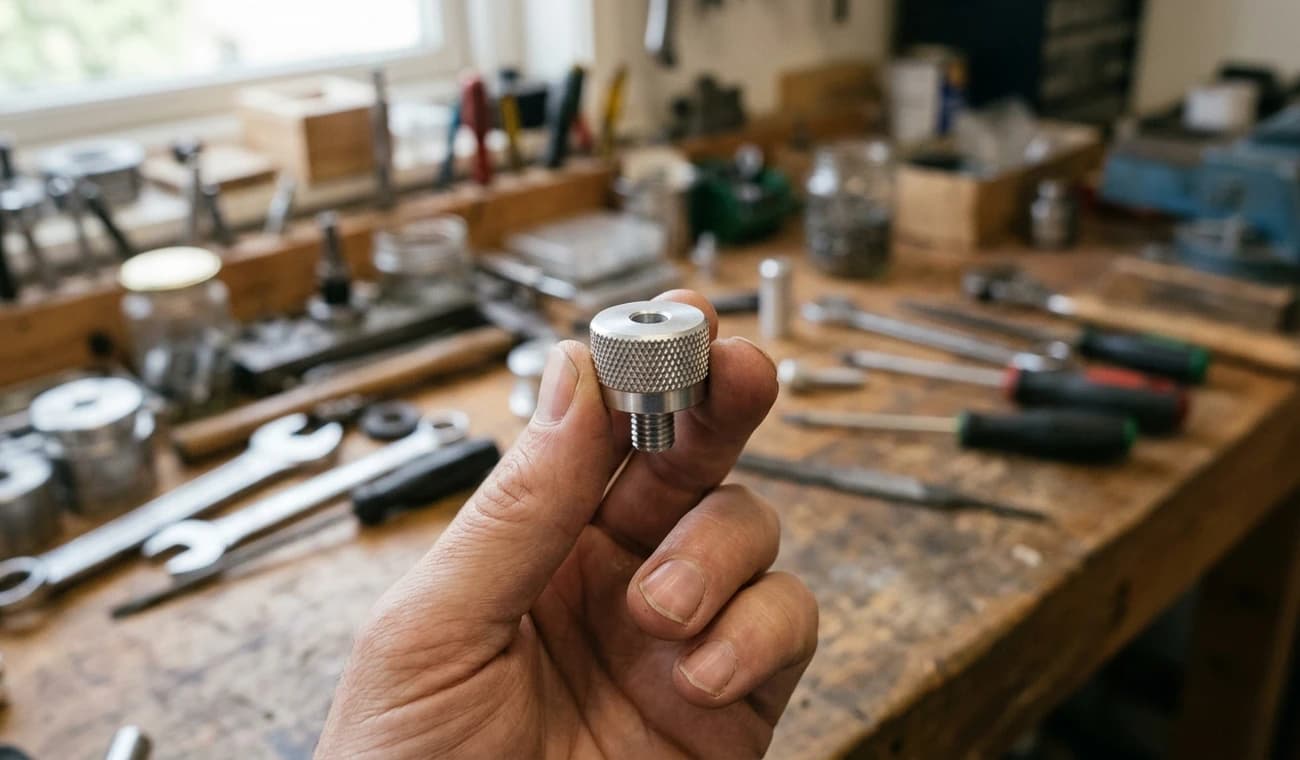
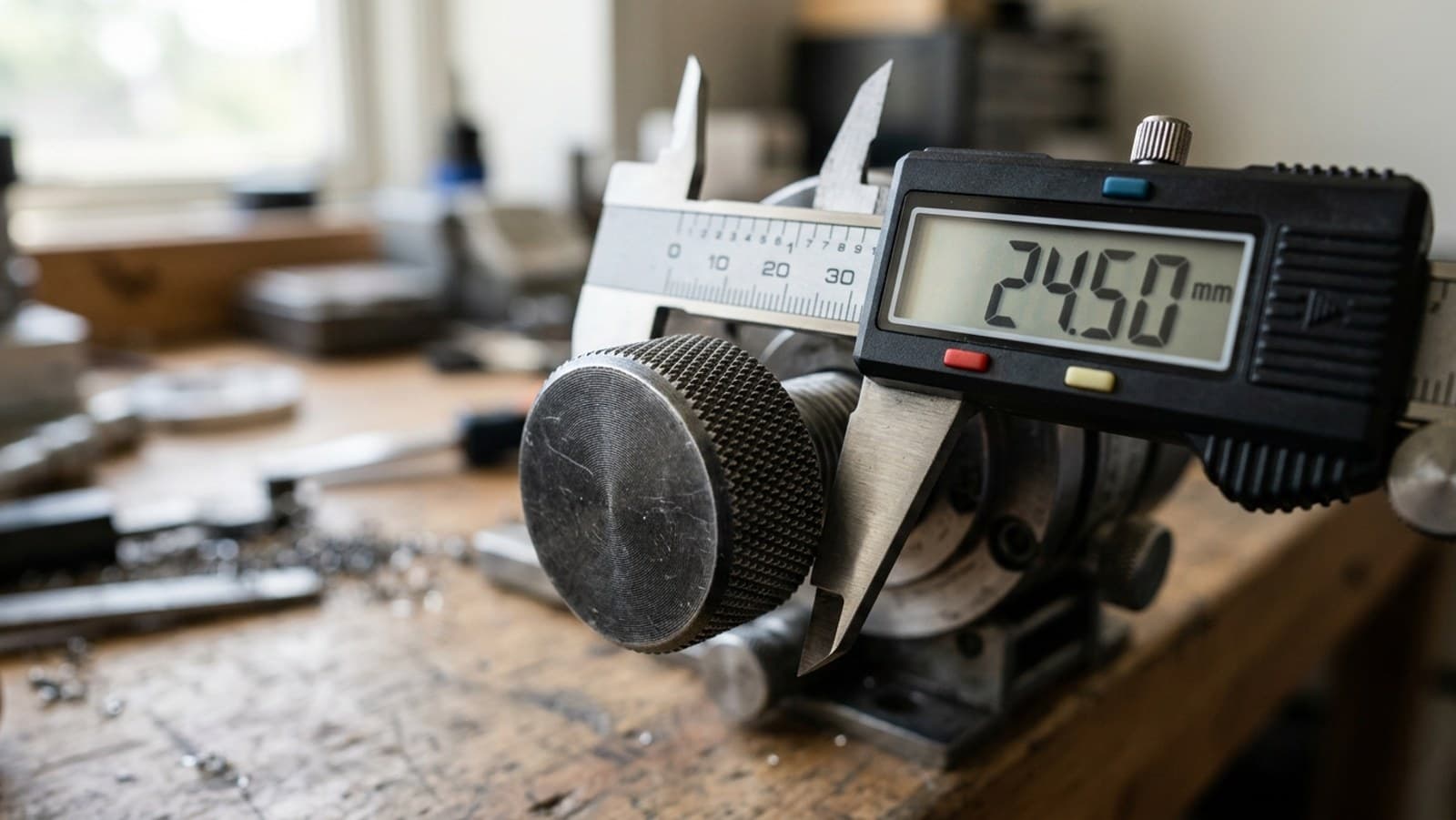
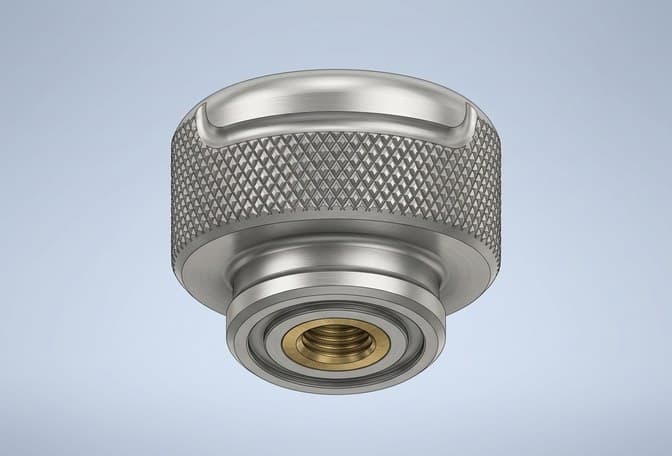
Photograph a discontinued part, get the DXF, import it into Shapr3D, then Push/Pull or revolve and redesign. No original model and no feature tree to wrestle with.
Snap a part in the field, generate the DXF, and open Shapr3D on your iPad. It models offline with the Apple Pencil, so the work happens where the part is, not back at a workstation.
Direct modeling means no sketch relations or history to manage. Bring the DXF in, Push/Pull the shape you want, and shove faces around until it's right — fast, tactile, forgiving.
For laser, waterjet or router work the DXF often goes straight to the machine; Shapr3D just confirms and details the geometry before it ships.
Who does what
Division of labour, not redundancy. Each tool owns the half of the job it's actually good at.
| Step in the job | TechDraw AI | Shapr3D |
|---|---|---|
| Capture from a photo | ✓ | ✗ |
| Real measured dimensions | ✓ | ~ |
| Dimensioned 2D drawing | ✓ | ~ |
| DXF / DWG / SVG import | ✓ | ✓ |
| Direct 3D modeling (push/pull) | ✗ | ✓ |
| Apple Pencil on iPad & Mac | ✗ | ✓ |
| Model offline in the field | ✗ | ✓ |
| Best at | Photo → drawing | Drawing → 3D |
See it for yourself
Drop in a photo of a part. You'll get a dimensioned drawing and a clean DXF, ready to import into Shapr3D on your iPad or Mac. No account needed to start.
The five-step handoff
Once you've exported the drawing from TechDraw AI as a DXF, the import into Shapr3D is short. If your part is flat, like a gasket, bracket or laser plate, the DXF is the production file and you can stop after the import.
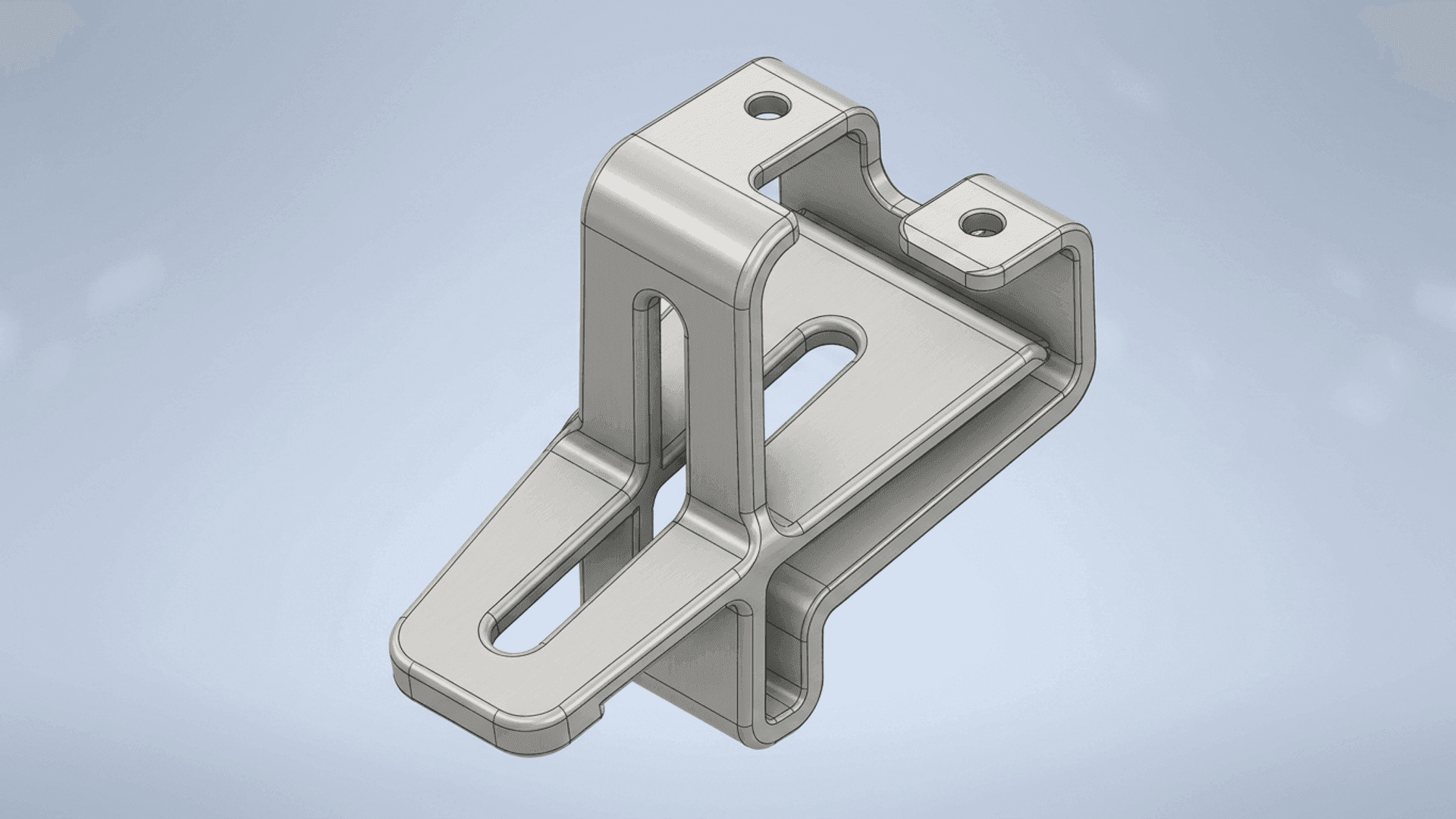
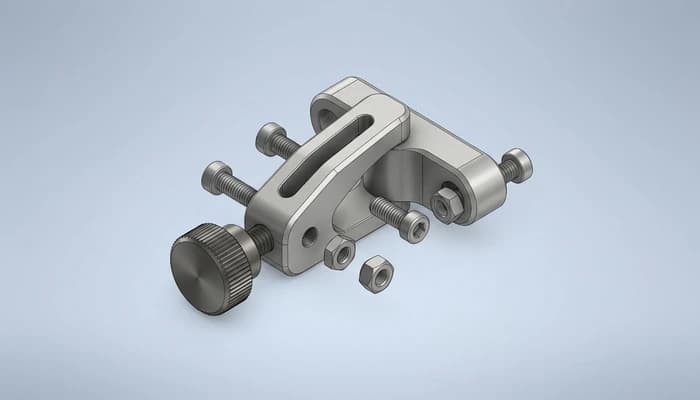
The seam is a DXF. Mind your units, the sketch plane and closed loopsand it's a seam you barely notice. Geometry in, direct 3D model out.
Push/Pull vs. revolve
The DXF is always a flat 2D profile. Once the curves are on a sketch plane, how you give them depth depends on the part.
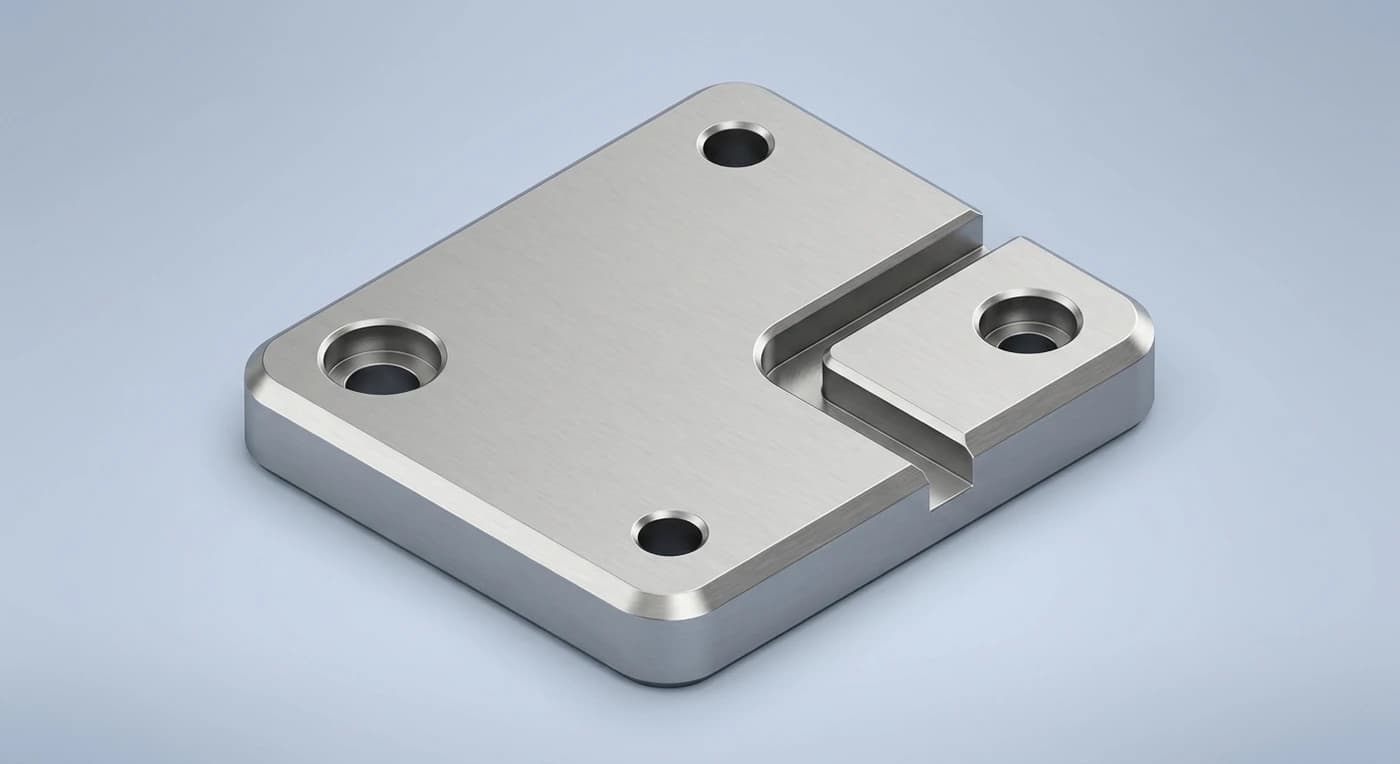
- Brackets, plates, housings, constant cross-section
- Tap the closed region and drag it into a solid
- Push a face inward to cut pockets and holes
- Keep Push/Pulling new faces — no sketch to re-open
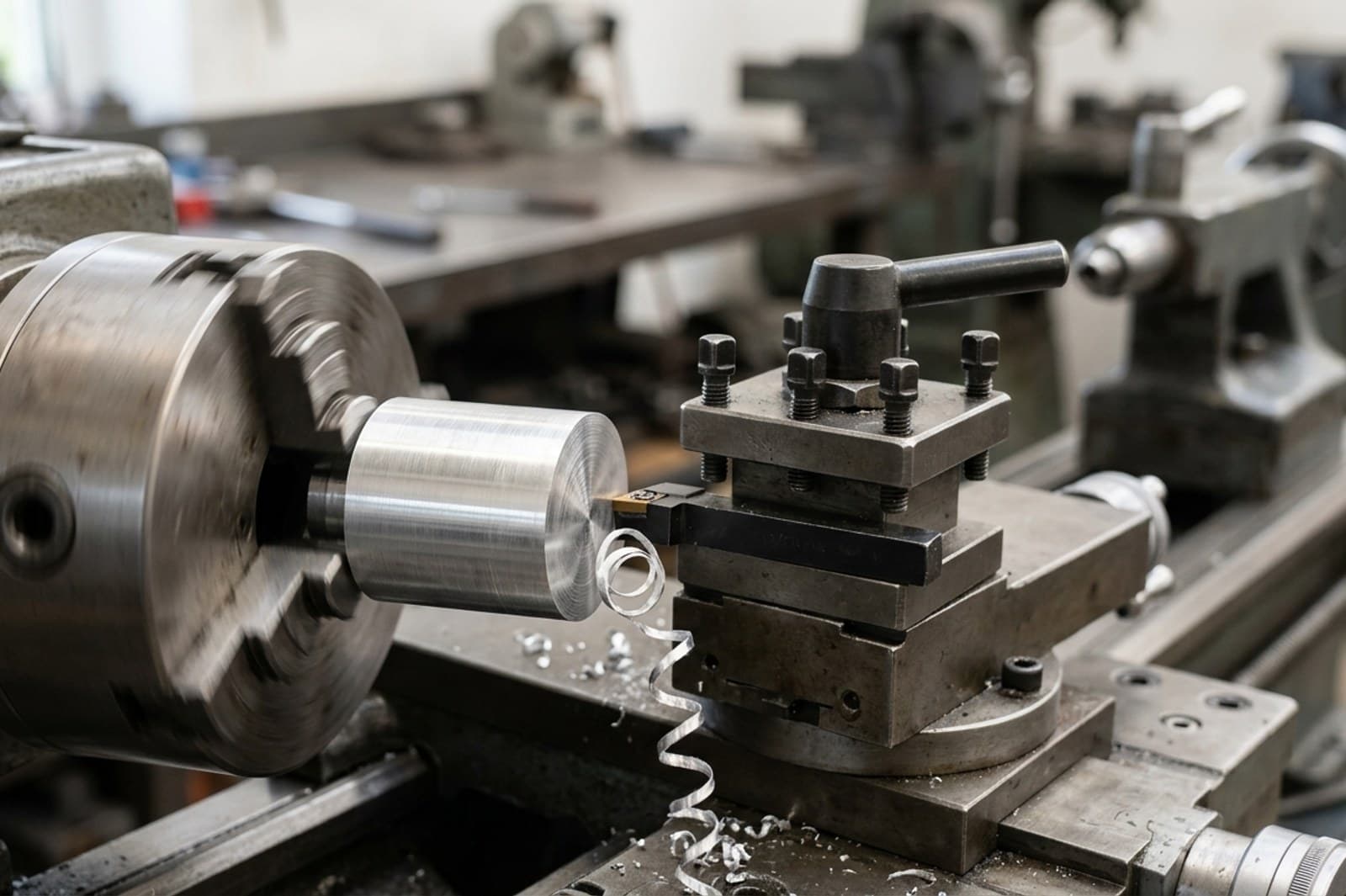
- Shafts, bushings, collars, knobs, anything round
- Keep just the half-section profile
- Add an axis line and revolve it 360°
- Revolve a cut profile for grooves and reliefs
Three gotchas that break the import
Almost every “my DXF won't Push/Pull in Shapr3D” thread comes down to one of these. Knowing them up front saves the ten minutes.
Cleanest habit: from TechDraw AI, export one DXF of just the profile geometry to import and Push/Pull, and keep the full dimensioned drawing (or a PDF) open beside Shapr3D as your spec. The model gets clean lines; you keep the numbers in view.
Where this combo earns its keep
| Job | TechDraw AI | Shapr3D |
|---|---|---|
| Capture an undocumented part | ||
| Dimension it to real size | ||
| Build the 3D model | ||
| Model on the go (iPad) | ||
| Redesign / modify |
Other CAD workflows
TechDraw AI hands a clean, dimensioned DXF to whatever you model in. Here's the same photo-to-3D handoff written up for other CAD tools.
Where the DXF comes from: a photo, one measurement, a dimensioned drawing.
All CAD workflows →The full hub: every TechDraw AI photo-to-DXF pairing in one place.
TechDraw AI + AutoCADExport DWG and just open it. AutoCAD can't trace a photo, so this is the half it was missing.
TechDraw AI + Fusion 360Insert the DXF into a Fusion sketch, then extrude or revolve it into a parametric model.
TechDraw AI + SolidWorksOpen the DXF with the DXF/DWG Import Wizard, then build a parametric SolidWorks model.
TechDraw AI + OnshapeImport the DXF, Use the curves in a Part Studio and model it in the browser.
TechDraw AI + FreeCADImport the DXF in the Draft workbench, convert it to a sketch, then Pad or Revolve it — free.
TechDraw AI + InventorImport the DXF into a sketch, extrude or revolve it, then drive a production drawing and BOM.
TechDraw AI + SketchUpImport the DXF in SketchUp Pro, explode it to edges, then Push/Pull or Follow Me into a model.
TechDraw AI + TinkercadExport as SVG, import it into Tinkercad in the browser, and extrude it into a printable solid.
TechDraw AI + BlenderImport the DXF or SVG as a curve, convert to mesh, then Solidify or Screw it — free.
TechDraw AI + RhinoImport the DXF as exact curves, Join them, then ExtrudeCrv or Revolve into NURBS surfaces.
Start at the part, end at the 3D model
Generate the dimensioned DXF in minutes, then import it into Shapr3D. No tracing, no blank canvas, no feature tree to learn. Free to start, no account needed.
Frequently asked questions
Does TechDraw AI replace Shapr3D?
No. They solve different halves of the job. TechDraw AI gets you from a physical part or an idea to a dimensioned 2D drawing and a clean DXF in minutes. Shapr3D is the direct modeler — on iPad or Mac, with the Apple Pencil — where that DXF becomes a 3D solid you can Push/Pull, revolve and refine without a feature tree.
How do I import a TechDraw AI drawing into Shapr3D?
Export the drawing as DXF (or SVG) from TechDraw AI. In Shapr3D, use Tools › Import, or drag the file straight in from the Files app. Pick the units when prompted. The geometry lands as editable sketch curves on a plane — no 'convert entities' step — and Shapr3D shades any closed region so you can Push/Pull it into a solid right away.
Why won't my imported DXF Push/Pull in Shapr3D?
Push/Pull only works on a closed region. If a loop won't shade after import, two endpoints that look joined aren't, so close the gap with a line or by dragging an endpoint onto its neighbour. A clean export from TechDraw AI is already closed, so this mostly bites hand-traced DXFs. Make sure the imported sketch is sitting on a plane, too — Push/Pull needs a face to grab.
Does the part come in at the wrong size?
A DXF carries no guaranteed unit, so Shapr3D asks on import. If a 50 mm part arrives 25.4x too big, the dialog read it as inches. Set the units to match the drawing. A clean export from TechDraw AI is scaled to your measured reference, so once the units are right it lands real-size.
Does this work for turned (round) parts too?
Yes. For a shaft, bushing, collar or knob, import the DXF, keep the half-section profile, add an axis line, and use Revolve instead of Push/Pull to spin it into a solid.