A 3D ModelFrom One Photograph




1,200+ reviews
A 3D Model in three steps
Photograph the object
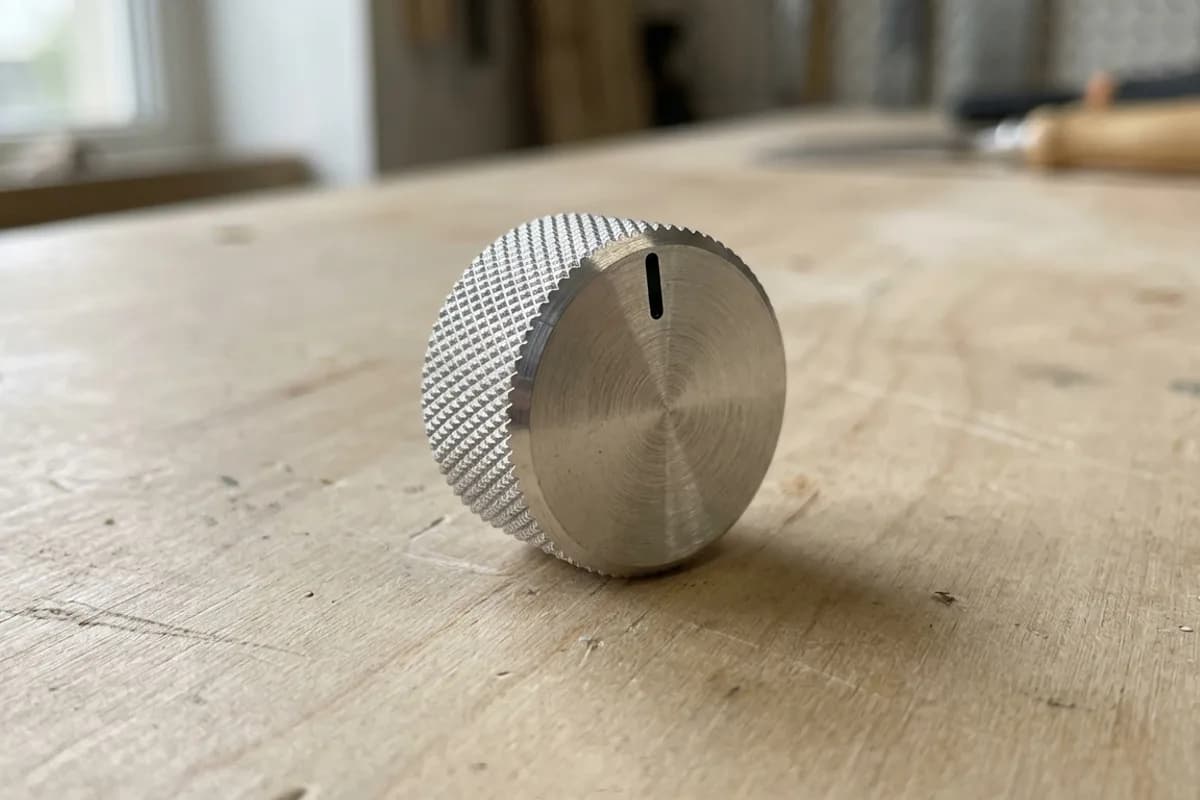
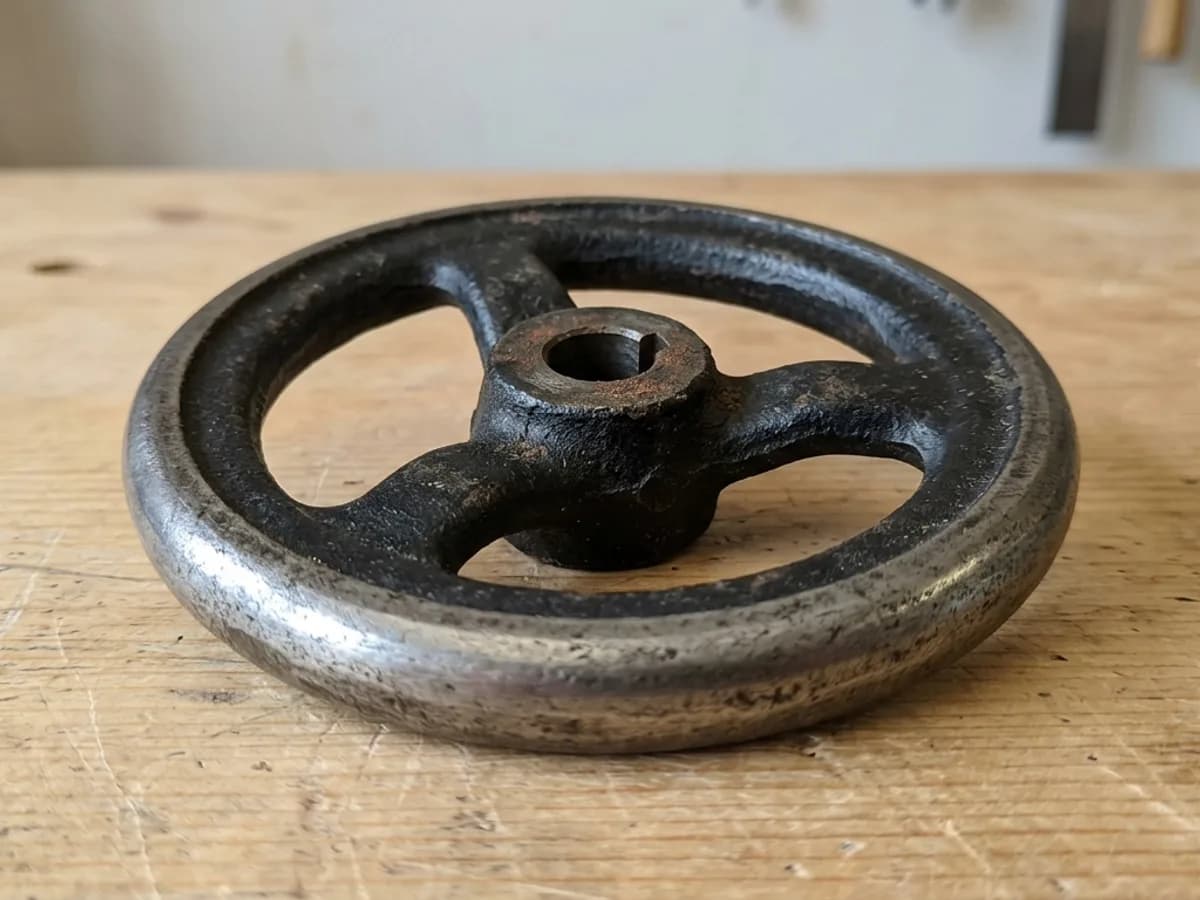
One photo of the real thing, taken on a phone. A three-quarter view with the whole object in frame and a plain surface under it gives the reconstruction the most to work with. No turntable, no scanner, no rig.
The mesh comes back
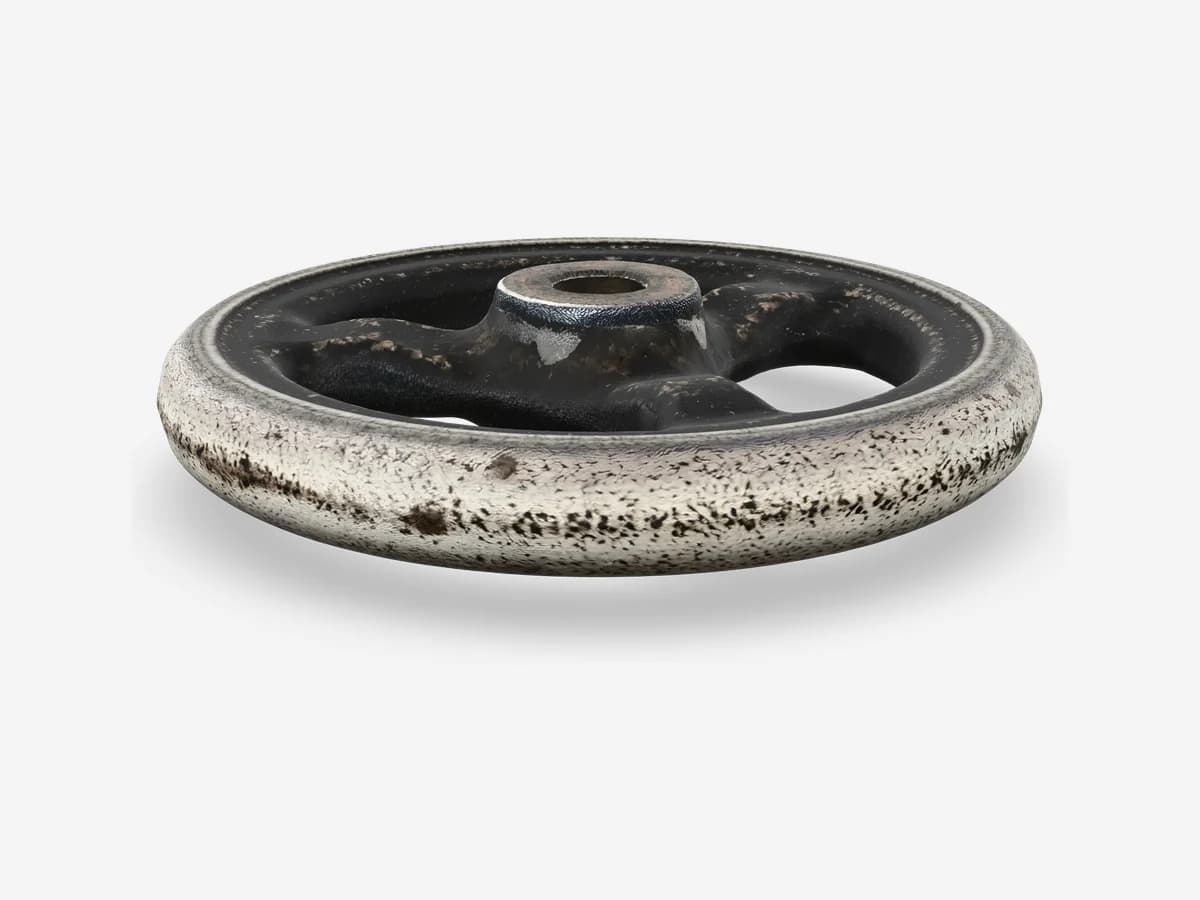
Roughly two minutes, most of it spent on the geometry rather than the texture. What arrives is a closed surface you can orbit, not a picture of one — leave the texture on to keep the colours, or turn it off for a clean shaded model that reads better as a part.
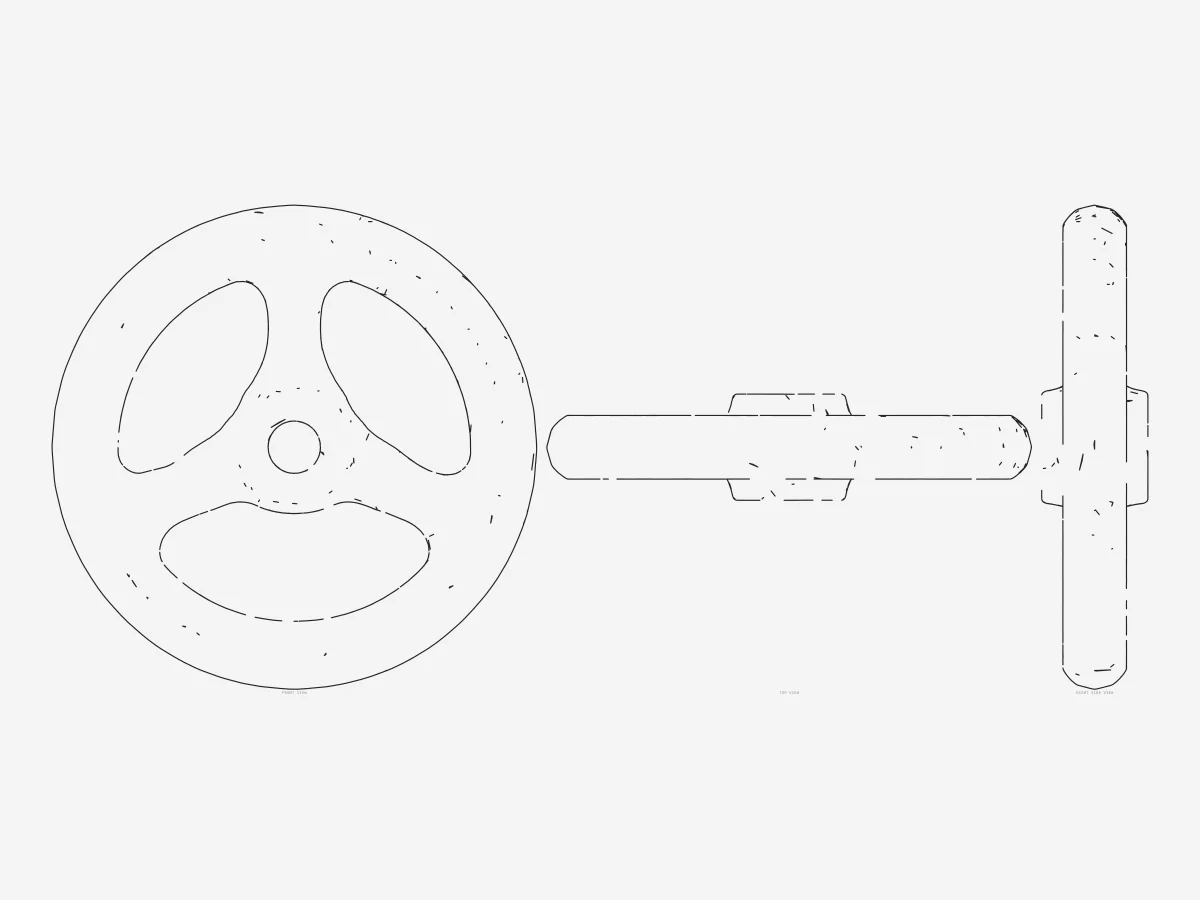
Print it, or draw it
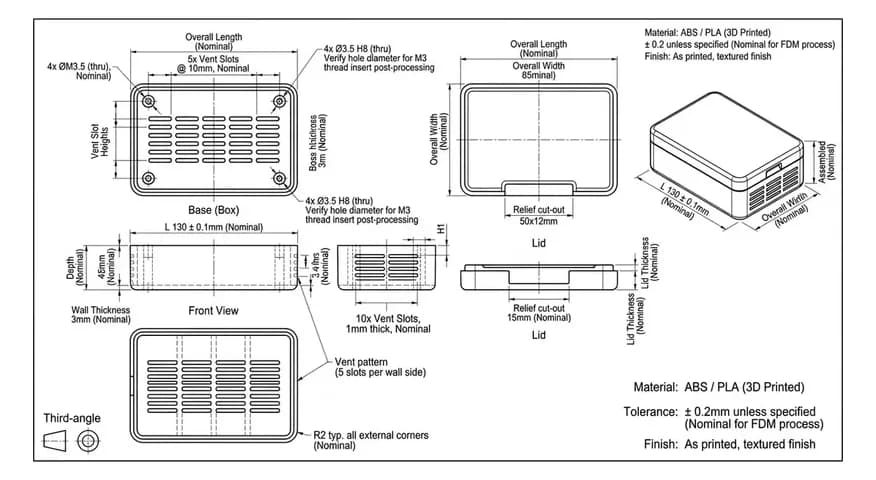
Export GLB, STL, OBJ, FBX or USDZ and the model goes to a slicer, a renderer or a game engine. It is also geometry a drawing can be taken off: the views here were projected from this mesh, and the same photo can go to the drawing generator for a dimensioned sheet instead.
What a photo can and cannot tell you
One photograph carries shape, not size. A model reconstructed from it is a faithful surface — proportions, silhouette, the way the form turns — with no true dimensions attached, because nothing in a single frame says whether the object is 40 mm or 400. That is true of every image-to-3D tool, this one included, and it is the first thing worth knowing before you send the result anywhere that cares about millimetres. Scale it against one measurement you take yourself and it becomes useful immediately.
The second thing: what comes back is a mesh. A surface of triangles, with no features, no sketches and no history, so it is not something you edit the way you edit a CAD model — you print it, render it, drop it into a scene, or use it as reference to model against. When what you actually need is a sheet a shop can quote from, the same photograph goes to the drawing generator instead and comes back as dimensioned views and a DXF. Most people who land here want one of those two things, and it is worth being clear which.
Photographs, and what came back
Every tile is one photograph and the model that came back from it, with nothing retouched in between. Drag any pair against the other. The machined parts lead because that is who this site is for; the rest are there because that is what image-to-3D is strongest at, and pretending otherwise would not survive your first upload.
Photographs turned into geometry in 40+ countries.
Frequently asked questions
Can AI make a 3D model from a photo?+−
Yes, and this page does it: upload one photograph and a textured 3D mesh comes back in about two minutes, downloadable as GLB, STL, OBJ, FBX or USDZ. What it reconstructs is the shape — the silhouette, the proportions, the way the surface turns. What it cannot know from one frame is how big the object is, so treat the size as arbitrary until you scale it against a measurement you took.
Is the result a CAD model?+−
No, and no tool that starts from a single photo gives you one. You get a mesh: a surface made of triangles, with no dimensions, no features and no modelling history. That is exactly what a slicer, a renderer or a game engine wants, and it is not what SolidWorks or Fusion wants to edit. If you need a parametric solid, the usual route is to use this as reference and model against it — or, when the real need is a sheet somebody can make the part from, send the same photo to the drawing generator and get dimensioned views and a DXF instead.
How long does it take?+−
About two minutes. The geometry is the fixed cost and the texture adds roughly half a minute on top, which is why turning textures off barely speeds it up. You watch the real progress while it runs rather than a spinner.
What file formats can I export?+−
GLB, STL, OBJ, FBX and USDZ from the same model. STL for a slicer, GLB or USDZ for the web and for AR, OBJ or FBX for Blender, Unity and Unreal. The mesh is triangles either way; the format is about what opens it on the other end.
How accurate is it?+−
Good on shape, silent on size. Proportions and silhouette come back close enough to recognise the object and to print something that looks right, and fine surface detail is where reconstruction is weakest — knurling, fine text, thin wire and deep undercuts the camera never saw are all approximated. Anything that has to fit another part should be measured and modelled, not reconstructed.
Can I get a drawing of the model afterwards?+−
Views, yes. The third step above is real: the mesh is projected into front, top and right views by the same engine behind the orthographic projection tool, so a reconstructed model can be looked at as a drawing. Those views are not dimensioned, because the dimensions would be invented. For a sheet with real numbers on it, the drawing generator works from the photograph and anchors the scale to a measurement you provide.
Do I need an account, and what does it cost?+−
Photo to 3D is part of the Studio plan, and generating a model spends credits from it. The drawing tools and the free file converters on this site do not need it. If you are only here to turn one photo into one printable mesh, say so on the contact page rather than guessing at the plan.
What kind of photo works best?+−
One object, filling most of the frame, on a plain surface, lit softly enough that there are no blown highlights or black shadows hiding the form. A three-quarter view beats a straight-on one because it shows two sides and the top. Cluttered backgrounds, motion blur, heavy reflections on bare metal and glass are the four things that cost the most detail.
The same photo, drawn instead of modelled
A mesh is the right answer when you want to print the object or put it in a scene. When somebody has to make the thing, they need dimensions, and that is a drawing. These pages show what the drawing side hands back in each trade, from the same kind of photograph.
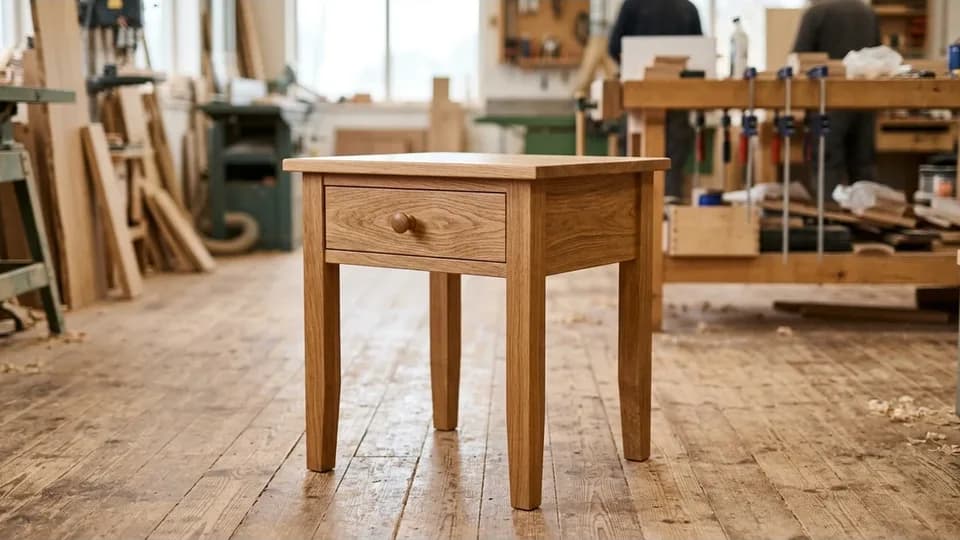
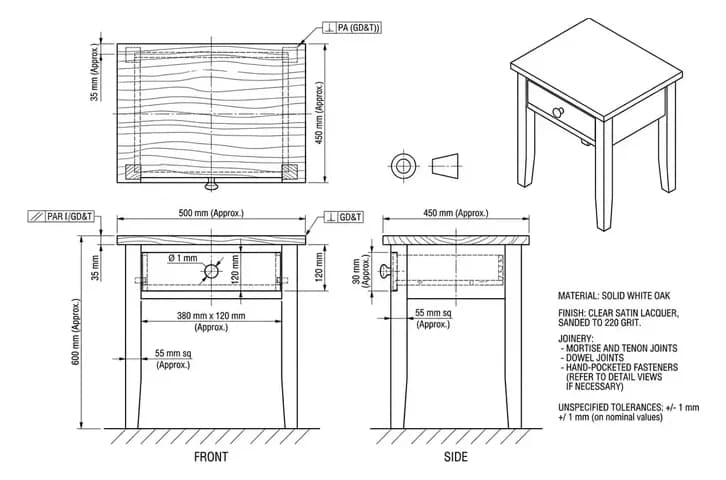
Furniture
Shop drawings with joinery detail, real sizes and a cut list.
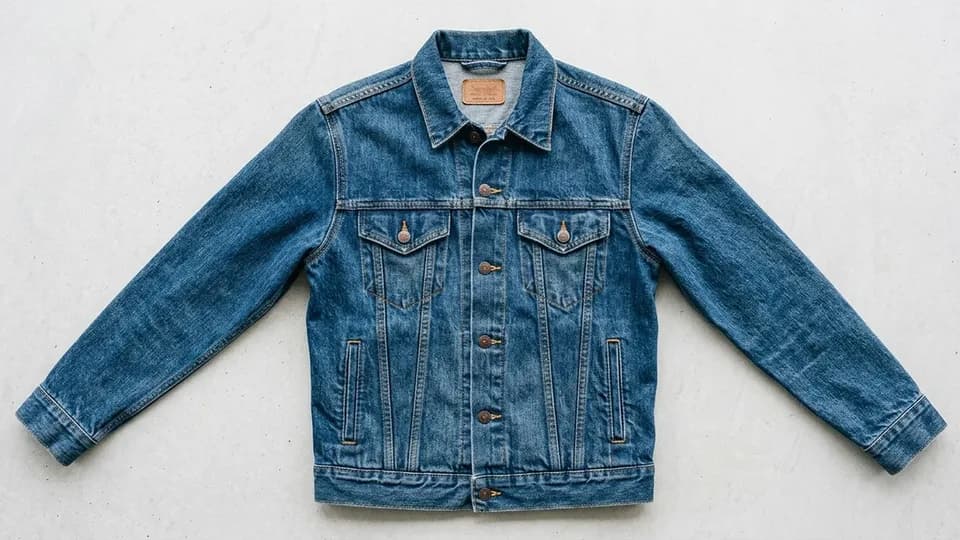
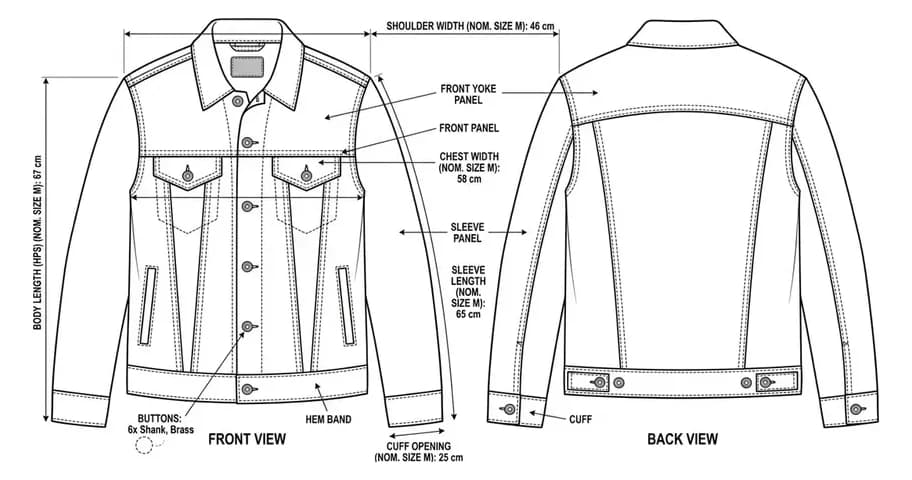
Clothes & Fashion
Front and back flats with the callouts a tech pack needs.
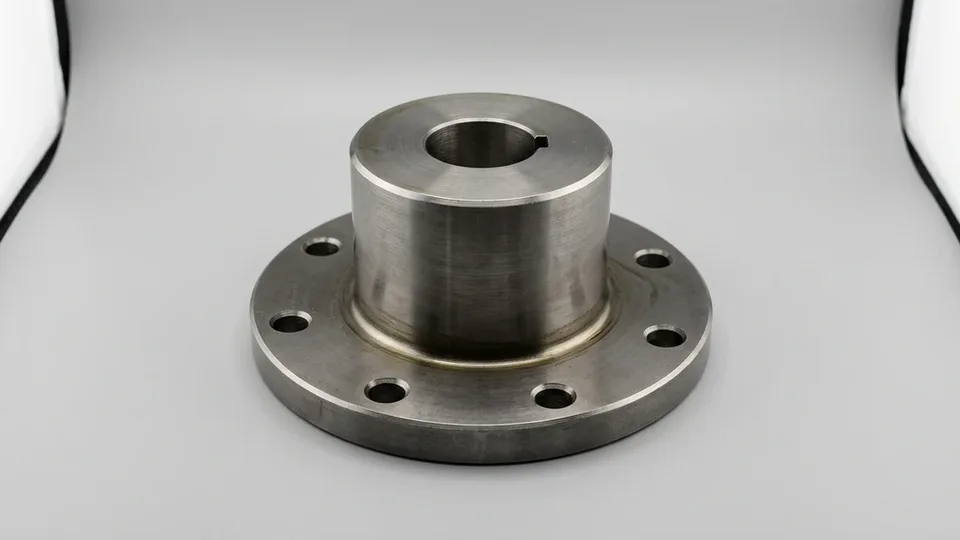
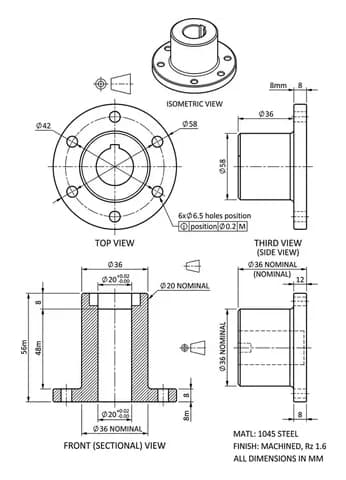
Machine Parts
Views, tolerances and a DXF your machine shop can quote from.
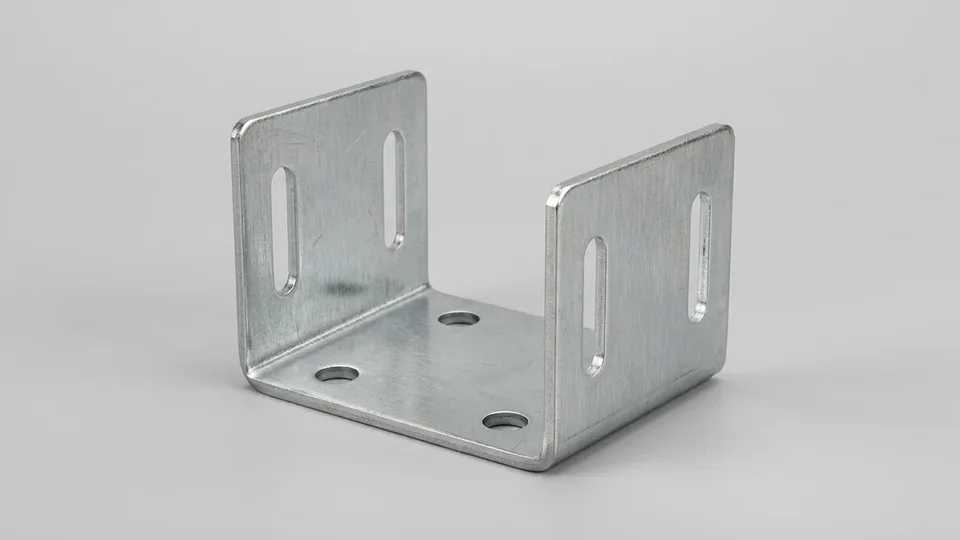
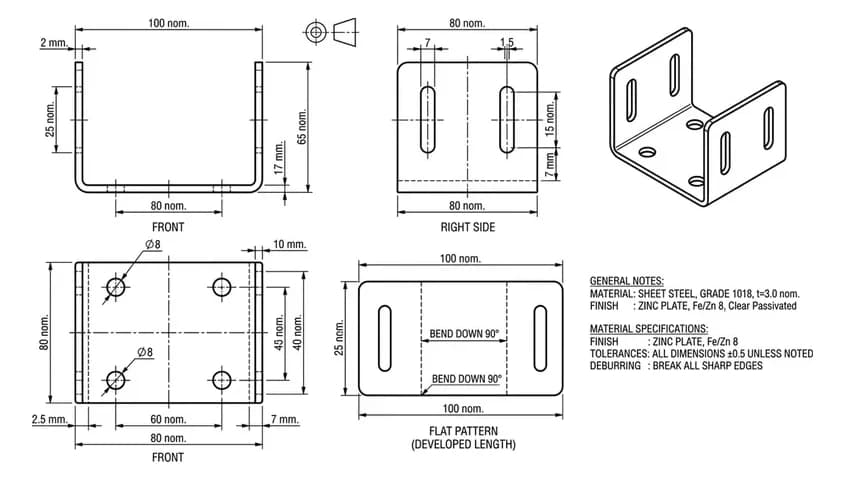
Sheet Metal
Bend lines, a flat pattern and a DXF for the laser table.
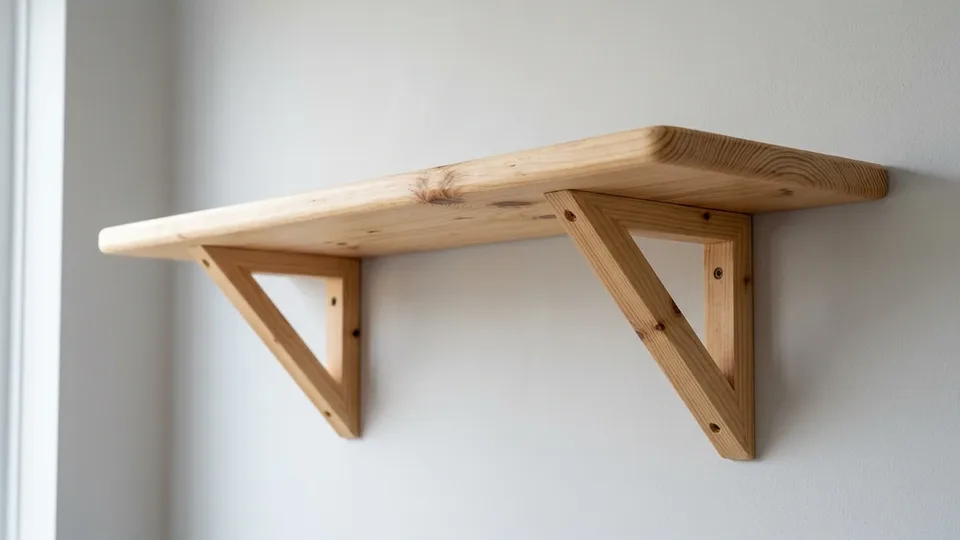
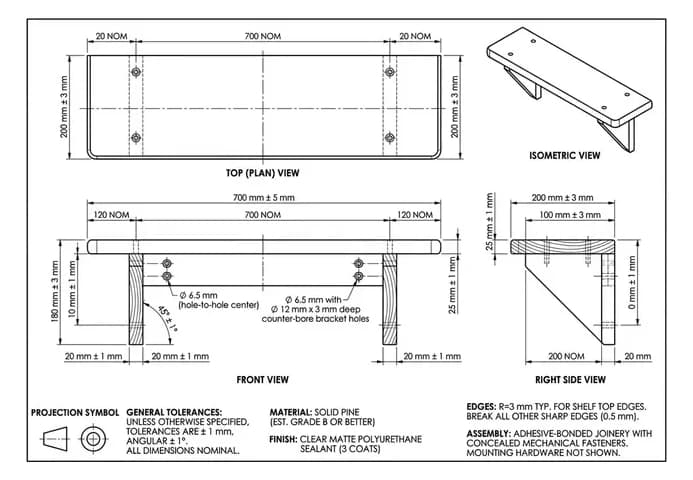
Woodworking
Plans you can build from, or a 1:1 template to print.
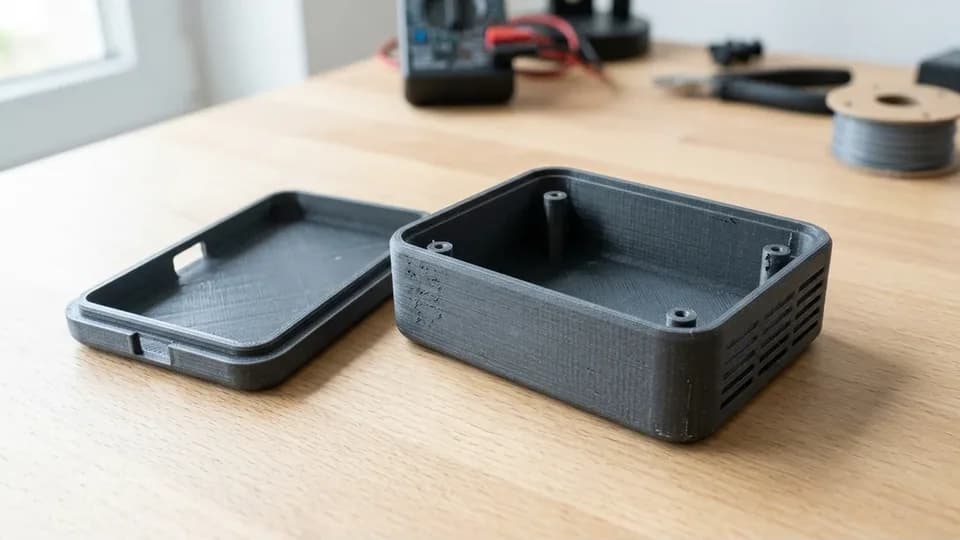
3D Printing
Wall thickness, clearances and fits, checked before you print.